Table of Contents
Introduction
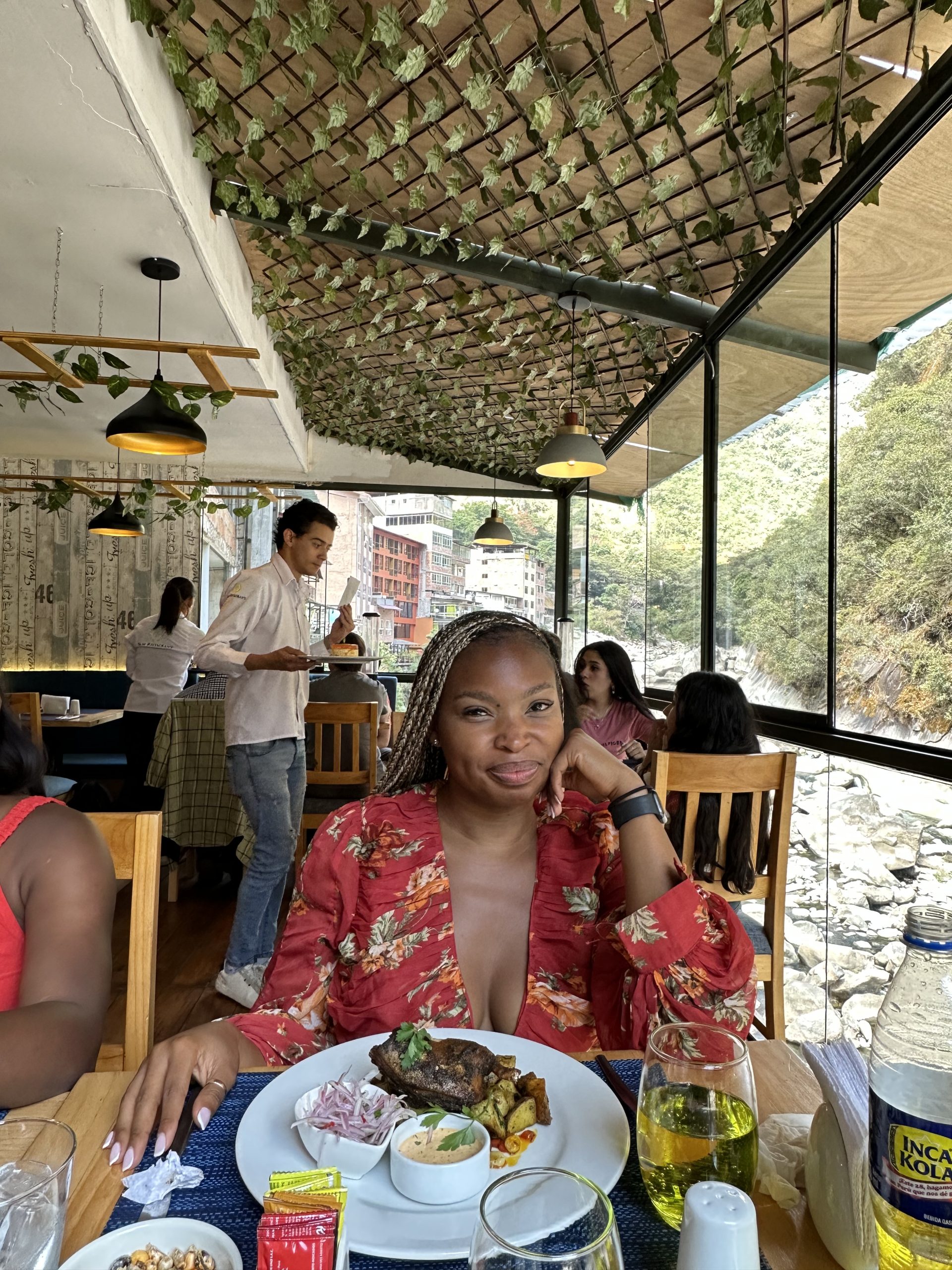
Since the birth of Cooking Travel Talks, I feel so blessed to truly tap into my love for food travel. I’ve always said that I love travelling but travelling for food is more than just something to eat it’s a whole experience! Honestly, take Nigerian food, for example. I genuinely believe that eating dishes like Abula, Pepper Soup, Moimoi oh my gosh did I forget Spicy Suya! Aren’t just meals. They are a full on experience of flavours and textures, and traditions on the tongue. And don’t worry I have stories for other countries too.
Related posts:
- 5 Amazing European Destinations for Food Lovers
- 6 Countries That Surprised Me With Their Food Culture
So What is Cooking Travel Talks?
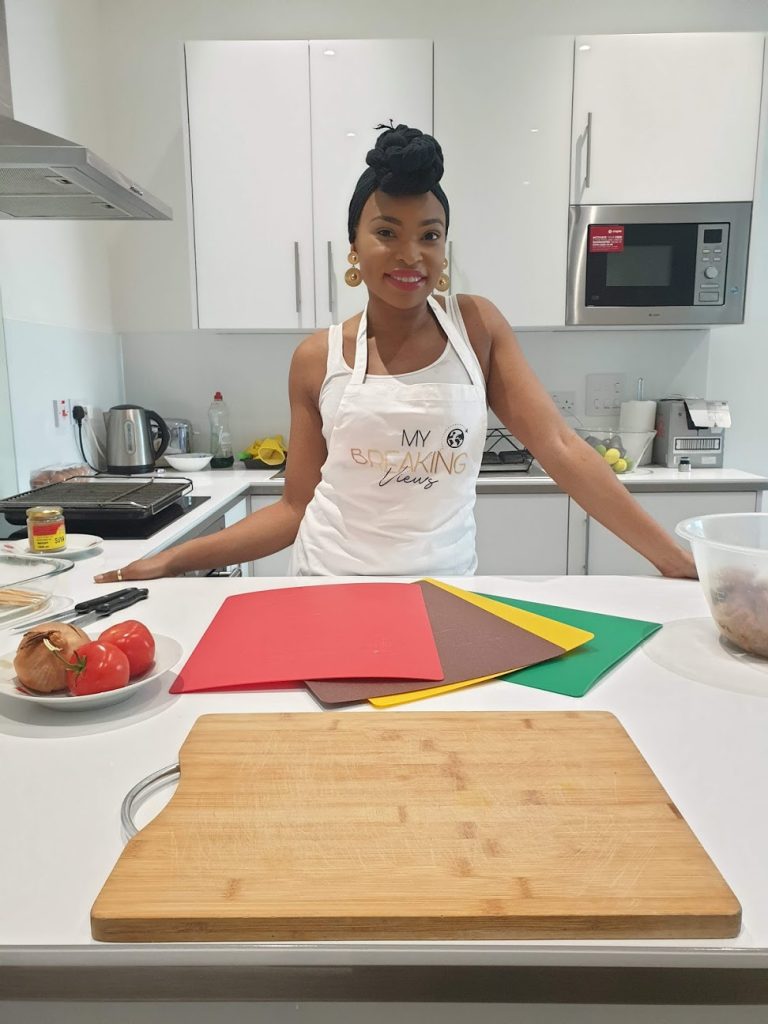
Cooking Travel Talks is my baby. I started it during COVID19 as way, to help keep people staying home while also learning about a country while cooking a dish from home! The aim is to share experiences from my travels but also from others on my platform. It is usually held on Instagram Live.
Food also speaks a language of its own. Have you ever been somewhere where you don’t understand a word of the local language, but somehow. Just somehow you’ve been able to connect through food!? It’s powerful right? And let’s be honest food even sparks X (Twitter) debates. You’ve seen the jollof wars, right? For the record… I do however, think Ghana jollof is the best. (But that’s neither here nor there!)
LOL. If I’m really honest I don’t even like jollof rice so fight with yourselves!
My point is: travelling for food is where it’s at. It represents culture. Identity. And community. For me, it’s one of the biggest reasons why I travel and why you should too.
When I finally got my British passport, I made a promise to myself: I would see the world. But what I didn’t expect to see was falling in love, not just with the scenery, or the destinations, but with the food. Travelling for food has shown me the similarities between countries, revealed untold stories, and sparked conversations that go far beyond the plate.
From cooking fonio in Togo to sipping mint tea in Morocco, and making fresh pasta from scratch in Italy, I love travelling for food because it has become one of the richest ways I connect to the world around me.
And I’m here to tell you how.
1. Connecting Through Shared Meals and Traditions
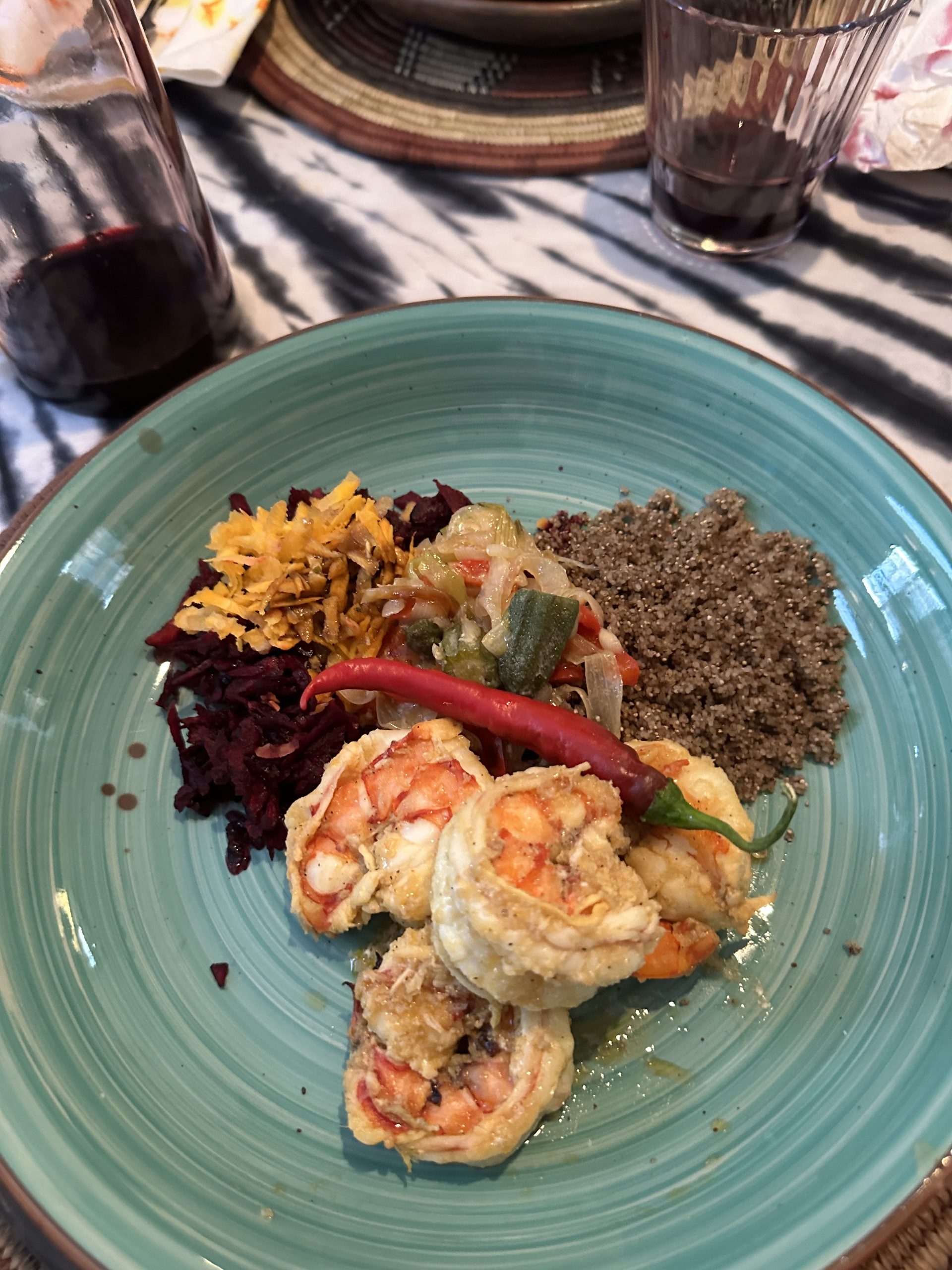
Some of my most meaningful travel memories happened at the dinner table. Whether I am travelling solo or with a group. There’s something powerful about having dinner by yourself and meeting people at the restaurants. Or being invited to eat with someone whether it’s a host family, a local chef, or a group of travellers you just met on a tour.
You can connect through shared meals and traditions through travelling for food. Joining EatsWith allows you to really connect.
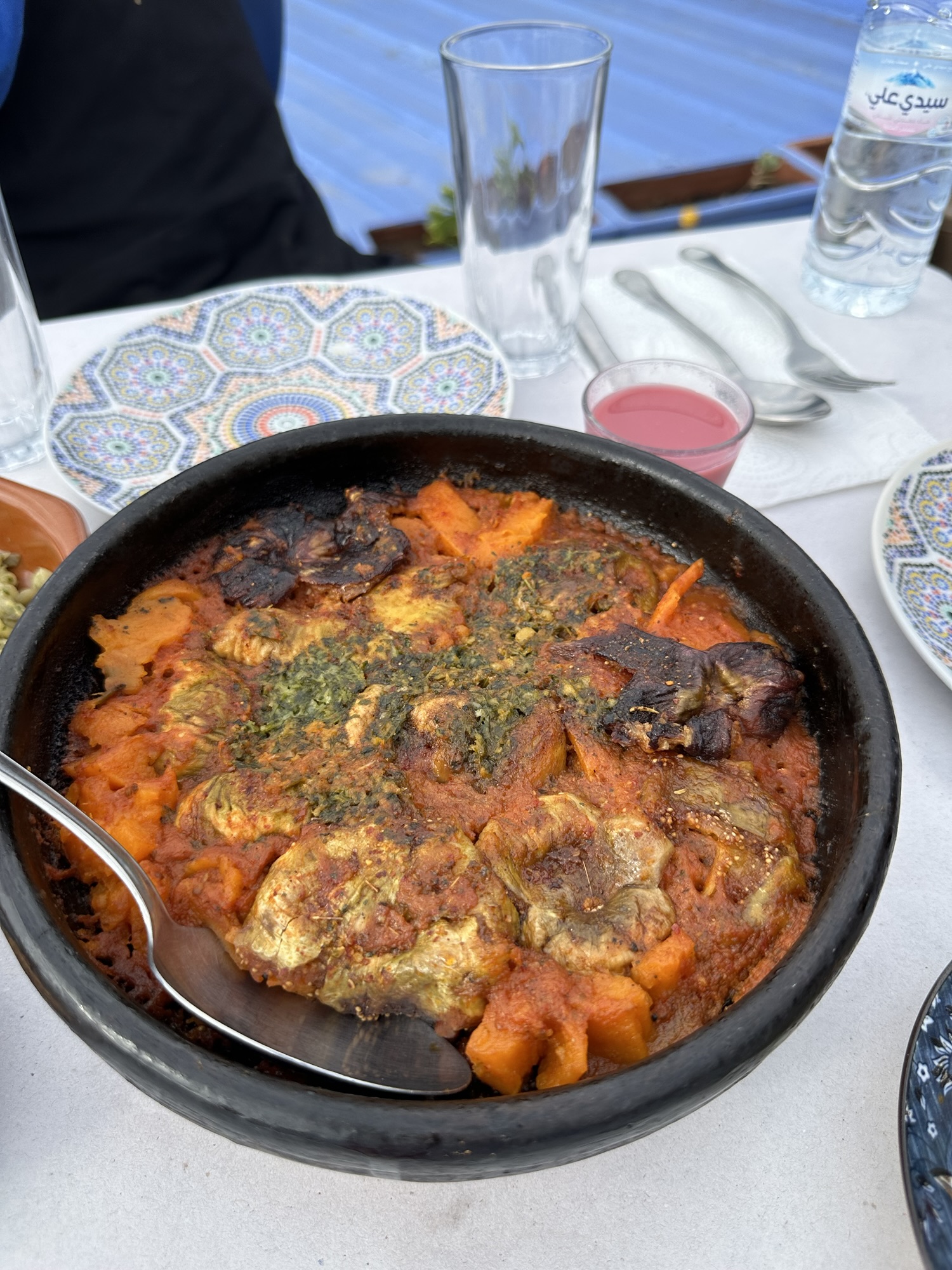
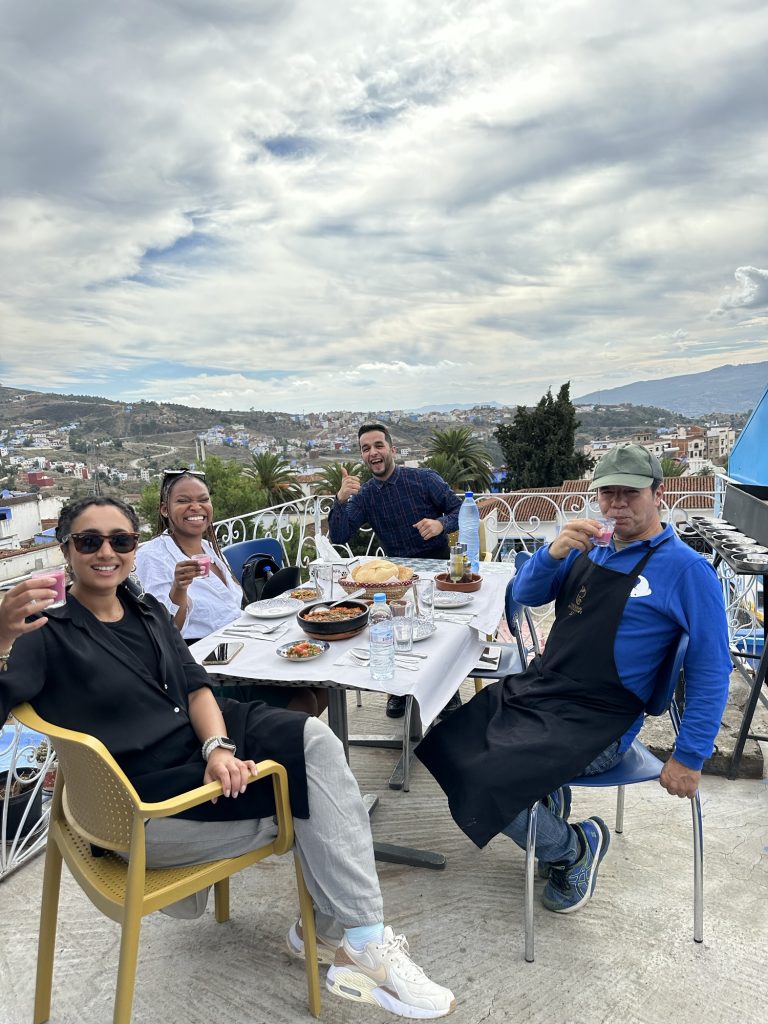
One of my biggest memories is sitting in Morocco and cooking with Siad the chef who told us stories about his wife and living in Japan. Cooking that dish and eating the Lamb Tagine, Katsu Curry Moroccan style really helped me connect with Siads life stories and the traditional dishes in their homes or restaurants. That meal wasn’t just food it was connection, humility, and culture on a plate.
2. Are you a food traveller like me?
Grab my Taste the World eBook – 59 pages of foodie tips, cultural insights, and itinerary inspiration.
3. Tasting and Learning to Cook Local Dishes
Tasting is one thing, but cooking in a new country? Or even coming back and learning a dish of a country you’ve travelled to at home? That’s next-level.
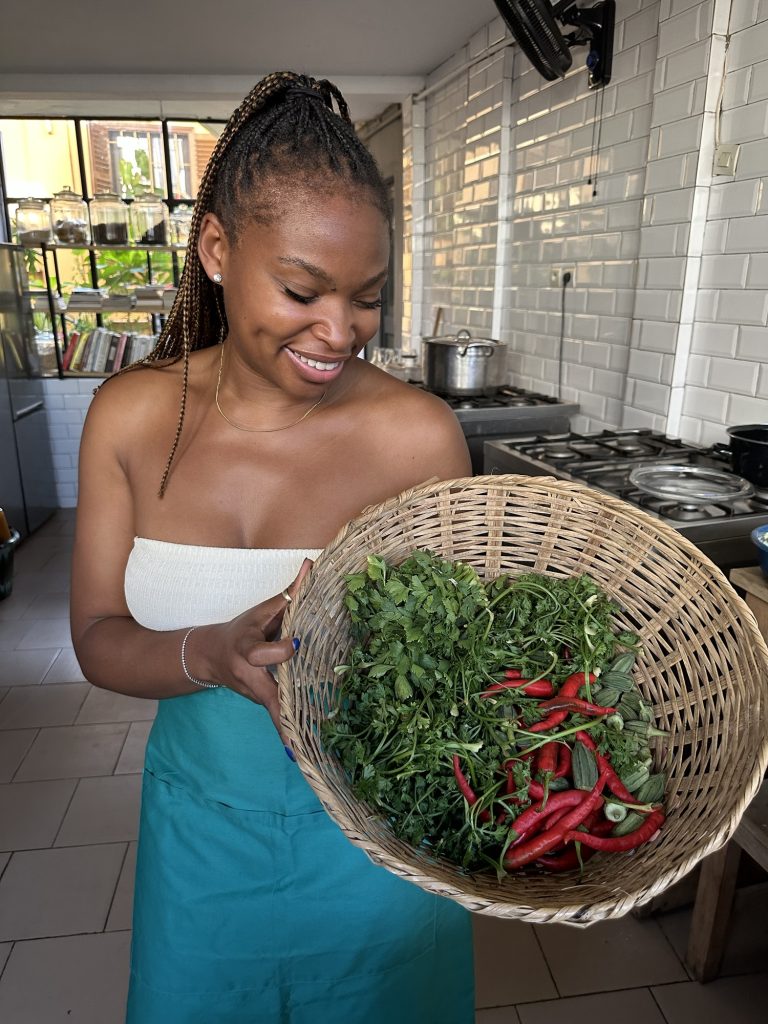
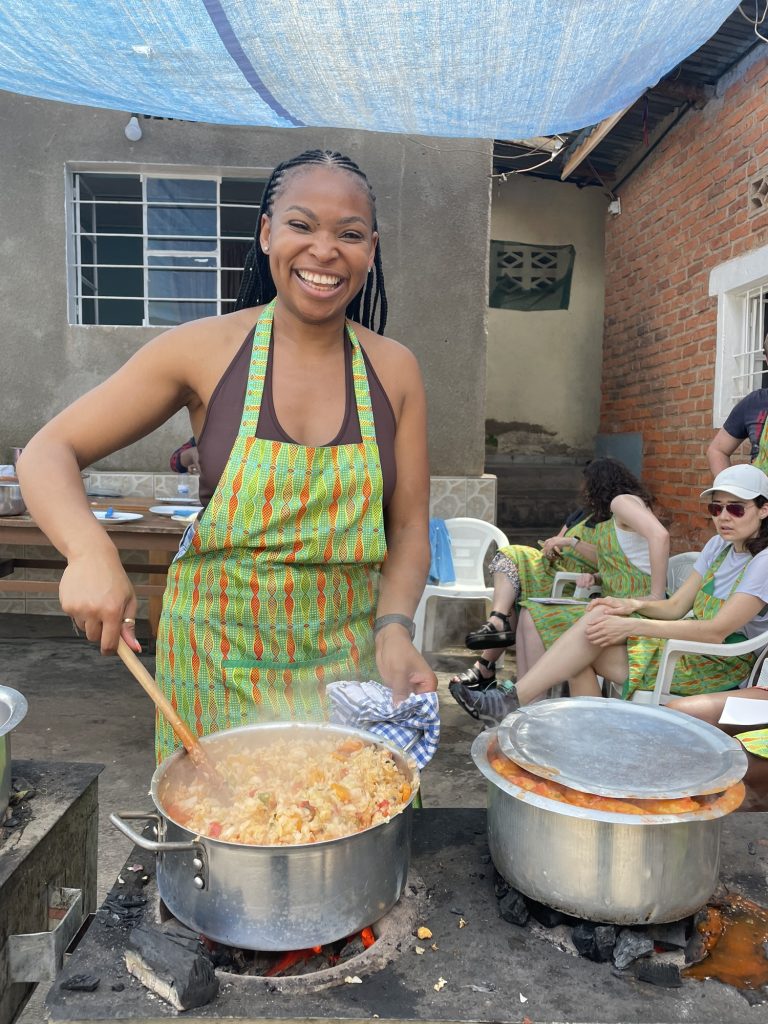
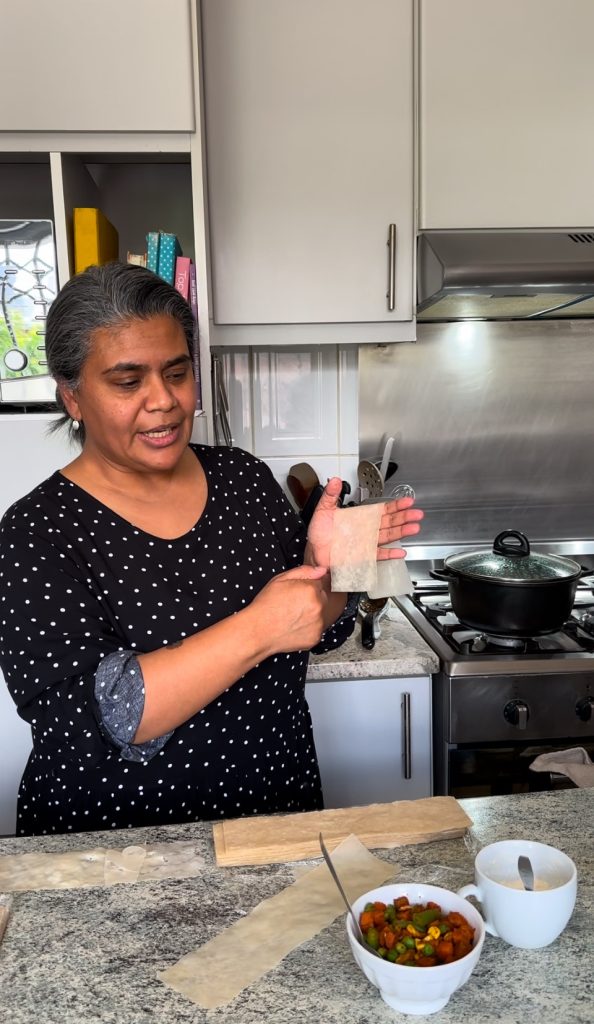
Everywhere I go, I try to take at least one cooking class. I book through GetYourGuide, Eatwith and Viator. It’s so easy I literally just type the country I’m going to and then add ‘cooking classes’ or ‘food tours’.
It’s how I’ve learned to make chocolate in Brussels, to trying my hand at tagine in Chefcheauon, and stirring chicken curry sauces in Jaipur. To even my memories of learning to cook Arepas with Eulanda from HDYT during my second Cooking Travel Talks series in my own home!
Even when I’m not in the kitchen, I’m asking questions like, “Is it spicy?” “What’s that spice?”, “Why do you add that last?”, “Can I try?”
Travelling for food leaves you curious. It is a form of cultural education and I love it.


4. Discovering the History and Politics Behind Cuisine
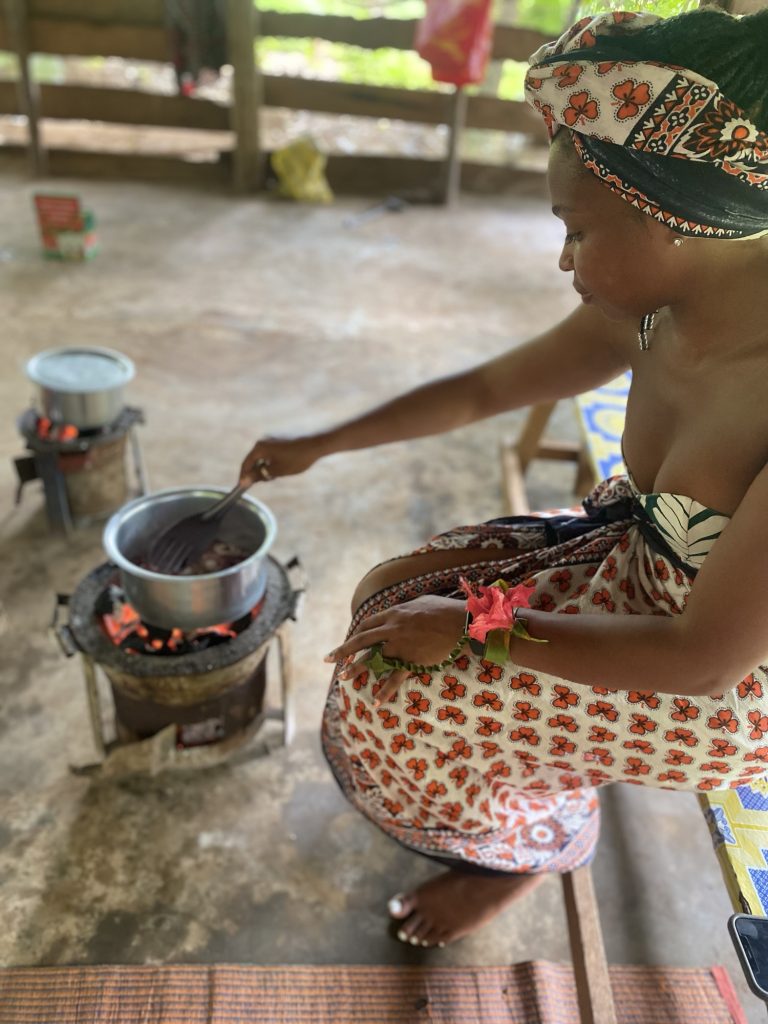
What we eat isn’t random. Every dish tells a story of migration, colonisation, survival, adaptation, and celebration. I have often seen and been fascinated with how most countries around the world eat rice? Like name a country that doesn’t. Or how in South America and African countries both eat plantain but in such versatile ways. There’s so many things that fascinate me when it comes to travelling for food.
Many countries also have their own version of hibiscus drink. Like in Jamaica they call it sorrel and it has rum, but in Togo it’s Bissap, Nigeria it’s called Zobo and can I go as far and say that in the UK there is mulled wine? There all similar but have their own ways of making the drink or dish.
I’ve wondered how certain countries use the same ingredient, dish to make something else. When I’m travelling for food, I’m not just feeding my stomach and taking pictures. I’m feeding my mind on the history.
5. Making Foodie Friends Around the World
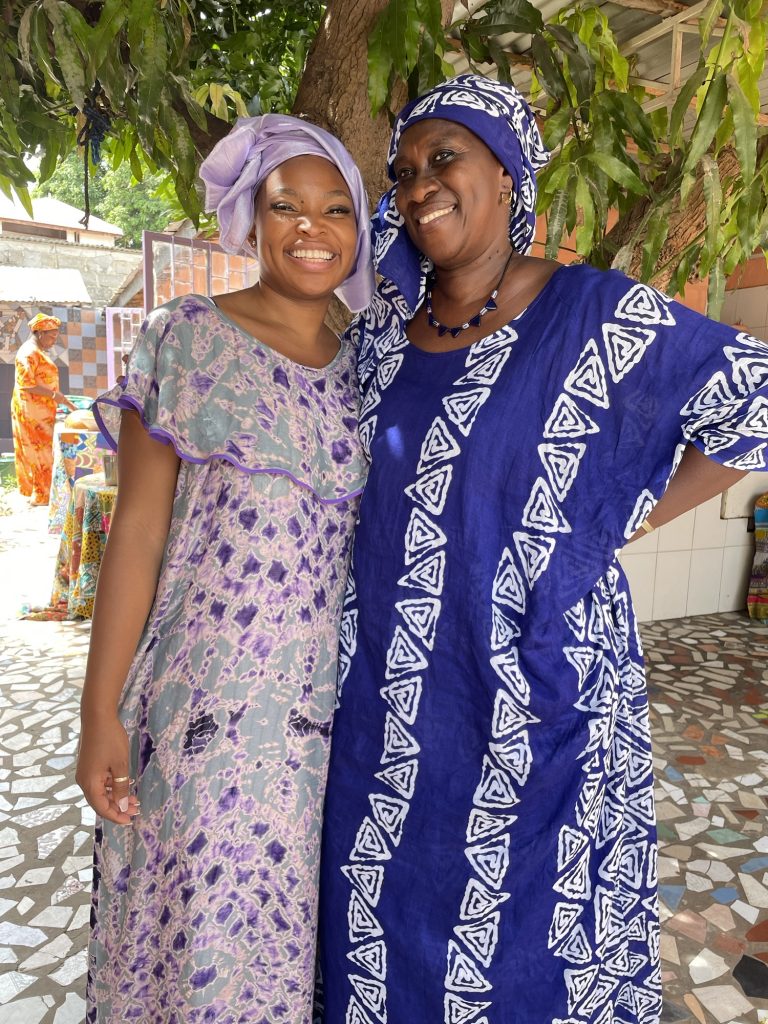
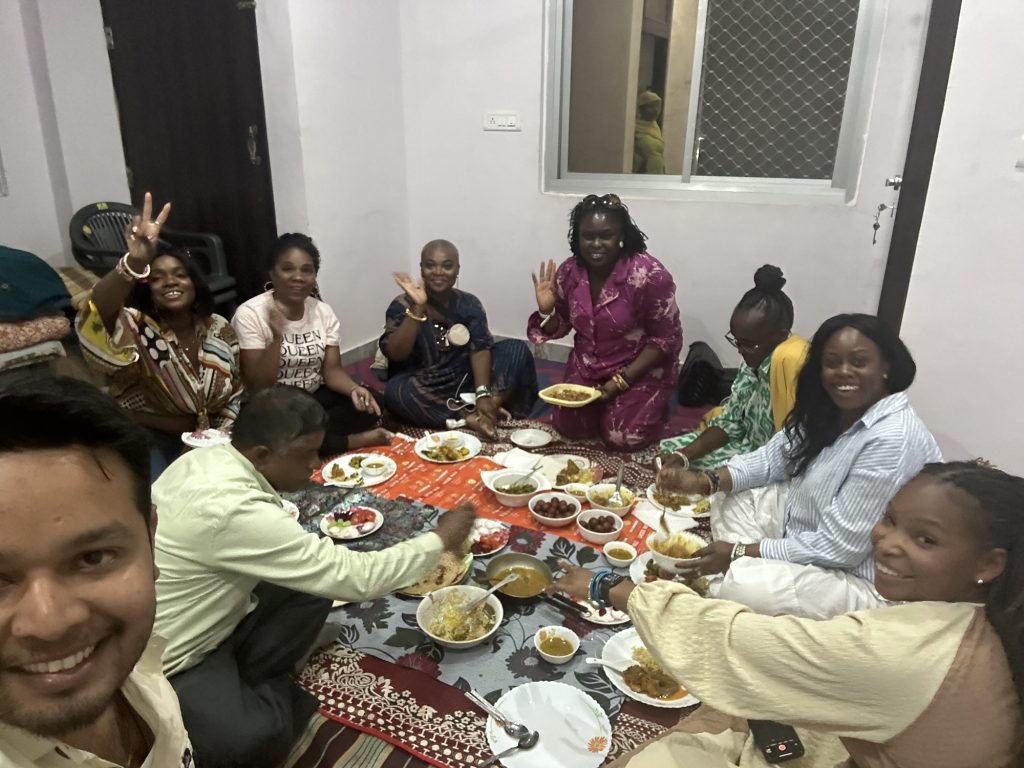
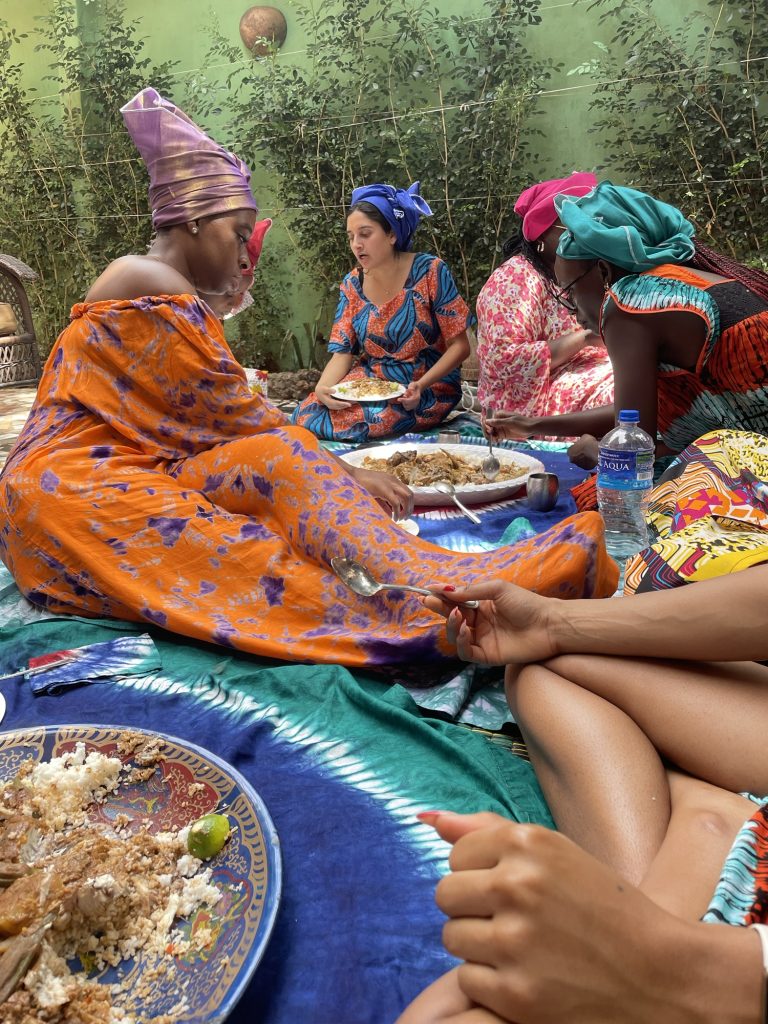
I’ve met some of the best people through food. Whether it’s bonding with someone over which country has the best jollof (I’m going to stop now), or getting recommendations from a street vendor in Zanzibar, food breaks barriers. It allows deep connections. It sparks conversations.
Some of those “quick chats” turned into long conversations, added me on socials, and even became real friendships. I’ve made friends from eating Cuy (Guinea pig) in Peru to visiting friends my friends I met on my study exchange in Singapore in New York and visiting China Town to learn how to eat soup dumplings. It’s all connecting through food, travel and shared insights!
6. Food Fuels My Global Curiosity and Creativity
Travelling for food keeps me curious. I’ve always had a thirst to really understand why certain parts of the world eat specific types of food. I’ll research the origins of tomatoes in Nigeria. Or how countries eat different dishes like Western countries eat more foods that you can go and hunt like deer, rabbits where as the Global South tends to eat meats closer to home like Cows, Chicken etc. I’m sure it stems from colonisation and slavery.
I will even research places based on restaurants. I remember trying to eat at the best restaurant in Peru. It was fully booked that the next time I go to Peru I will defo go to that restaurant and book earlier at Central.
Cooking Travel Talks was born because I couldn’t travel during COVID19. I still wanted to experience the world through food. That same spirit fuels my blog, my brand, and my content to this day. And as a content creator, it keeps me inspired.
Final Views on Travelling for Food
Travelling for food gives me joy, purpose, and perspective. I love travelling, but for it always reminds me that there’s so much more to life than routines and rushing. It’s how I slow down when I am travelling. The different foods I taste around the world. And how I deeply connect with people.
Whether I’m learning to eat soup dumplings in China Town in New York, or trying food in LA, I’m reminded that the world is big but food brings us closer.
Are you ready to travel the world through food? And why do you love travelling?
Download my 59-page e-book Taste The World: A Beginner’s Guide to Global Gastronomic Adventures
Learn how to plan foodie trips, eat like a local, and explore cultures deeply all for just £10.99.
👉 Download now
Speak soon,
MBV x