Table of Contents
The Maltese cuisine is truly astonishing and one to taste if you are ever visiting. If you are wondering, what are some of the key local Maltese foods that you can eat? Does rabbit, Pastizzi, a Maltese sausage spring to mind?
When I first planned my trip to Malta, one thing stood out almost immediately during my research. There weren’t many people talking about the Maltese cuisine or the food in Malta. Yes, people talk about the views, the sunshine, the landmarks, but rarely about how good the Maltese food is. Don’t get me wrong, the landmarks and views are beautiful, but we have to talk about the Maltese food! If I had known this before, I would have made my way to Malta sooner, but not to worry, now that I have tasted the delicious food in Malta. I’m here to share mybreakingviews on Maltese cuisine with a few Maltese cuisines restaurants.
This guide covers traditional Maltese cuisine, the different snacks and street foods, the restaurants I tried, and why Malta deserves more recognition as a foodie destination. If you are a foodie like me, then trust me when I say that Malta is a food lover’s paradise and should not be ignored.
Related posts that you can read:
- How to Pick a Country to Visit Based on Your Gastronomic Tastes
- A Amazing 4 Day Winter Solo Malta Travel Guide: Where to Stay, Do and Eat
Before We Get Into the Maltese cuisine guide below are some helpful tips:
Before going, download Tallinja a app in Malta that gives you real-time information on bus journeys.
Book the food tour via GetYourGuide here.
Get a Airlo, for an e-SIM card, for data. You can purchase it here and use the code ADEBOL5279. And save some coins.
Food Facts & Cultural Context That Explain Maltese Cuisine
First, let’s share some foodie facts on Maltese cuisine. The tour guide was brilliant, giving so many interesting things about the cuisine, while eating through Malta. There is so much to know about the island’s food culture, which is shaped by history, trade, and limitations:
- Around 80% of the food in Malta is imported, with only about 20% produced locally. Despite that, Malta has quietly become a foodie destination over the last 5-10 years, and it’s now shifting how it’s perceived from a place known mainly for vegetables and staples to one that’s increasingly recognised for wine, dining, and food experiences.
- Some of Malta’s biggest exports include tomatoes and potatoes, and you’ll also notice several olive trees across the island, which play a big role in everyday cooking.
- Maltese honey is another product locals are proud of, especially summer honey, which is often recommended to buy directly from markets rather than supermarkets.
- Certain foods and ingredients also reflect Malta’s long history. Fennel, cotton, and cumin were all crops traditionally grown in Malta.
- And finally, I also learned to pay attention to the fruit carts you see around Malta. If the cart is green, the fruit is local. If it’s not green, the fruit is imported. Small details like this reveal how food operates day-to-day on the island.
Taken together, all of this helped me understand that Maltese food isn’t just about dishes, it’s about adaptation, influence, and resourcefulness. Once you start noticing these details, the food in Malta makes much more sense.
Experiencing Maltese Street Food in Valletta
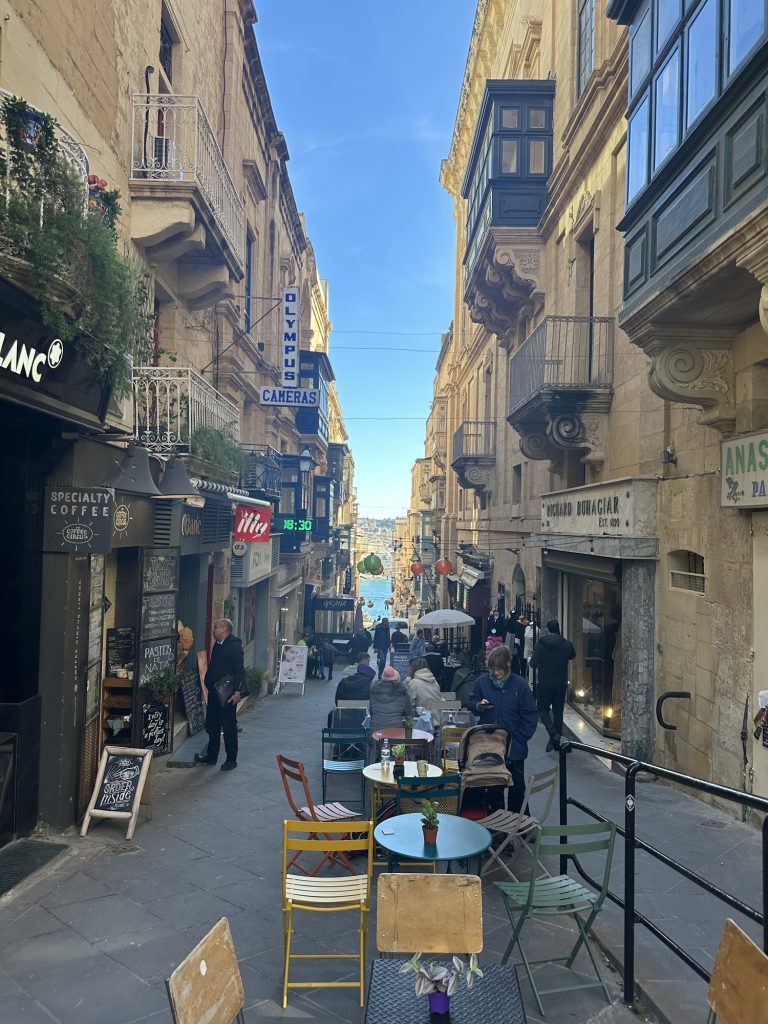
One of the best ways to understand Maltese food is through a street food tour in Valletta, and between you and me, this was one of the highlights of my trip. The Maltese food tour is held in Valletta, where you meet your local guide and get a short introduction to the city. From there, you walk through the main streets and quieter side alleys, learning about Malta’s history and cuisine while tasting some of the island’s most loved foods.
Trying new food in Malta through a food tour is a great way to combine sightseeing with eating, and it gives you cultural context that makes the rest of your meals in Malta even more meaningful. If you would like to do the same Maltese food tour I did, you can book it here.
Traditional Maltese Foods You Must Try
Below is a list of the most amazing traditional Maltese foods that I ate and that I would highly recommend trying when you are ever in Malta:
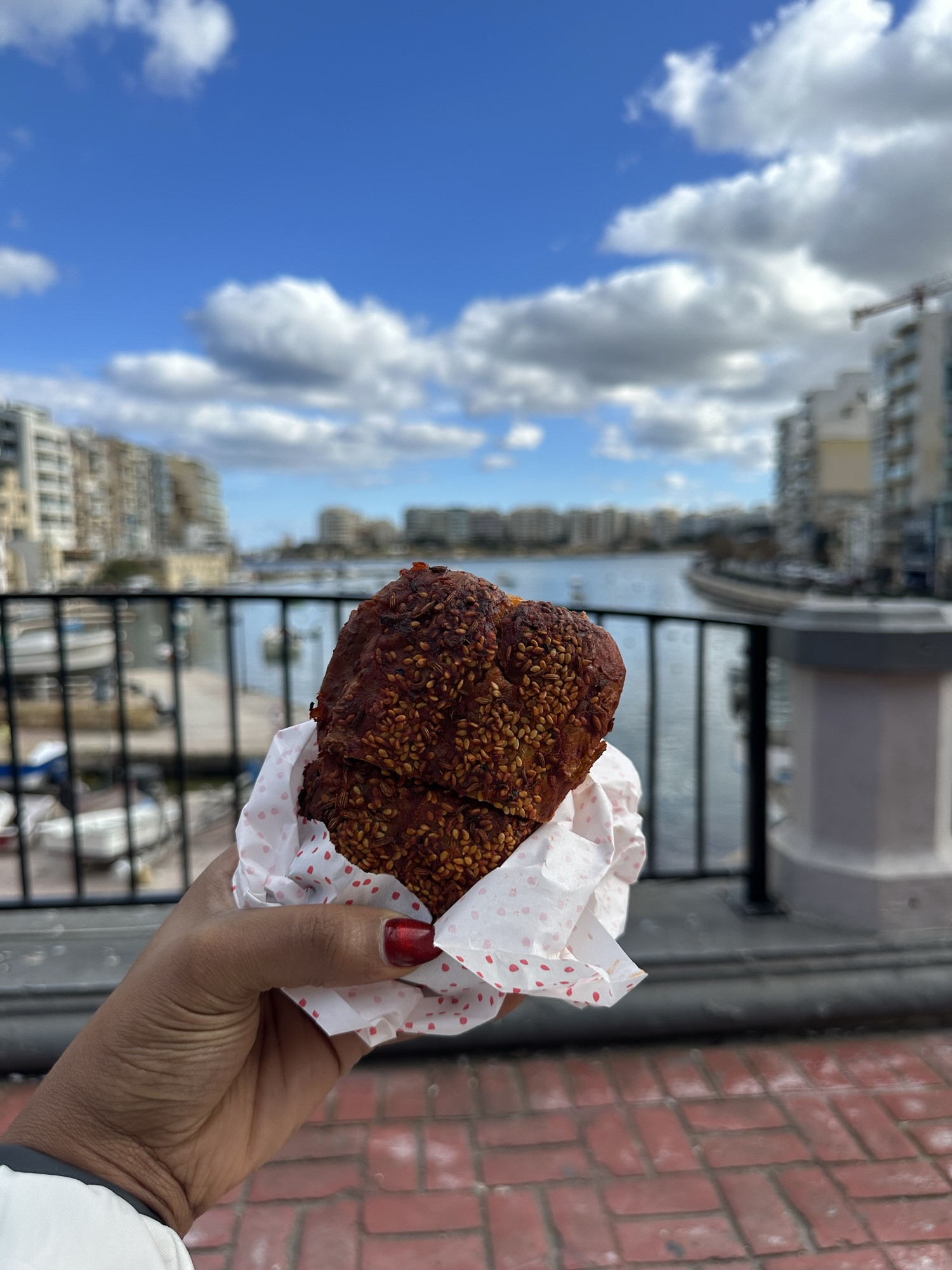
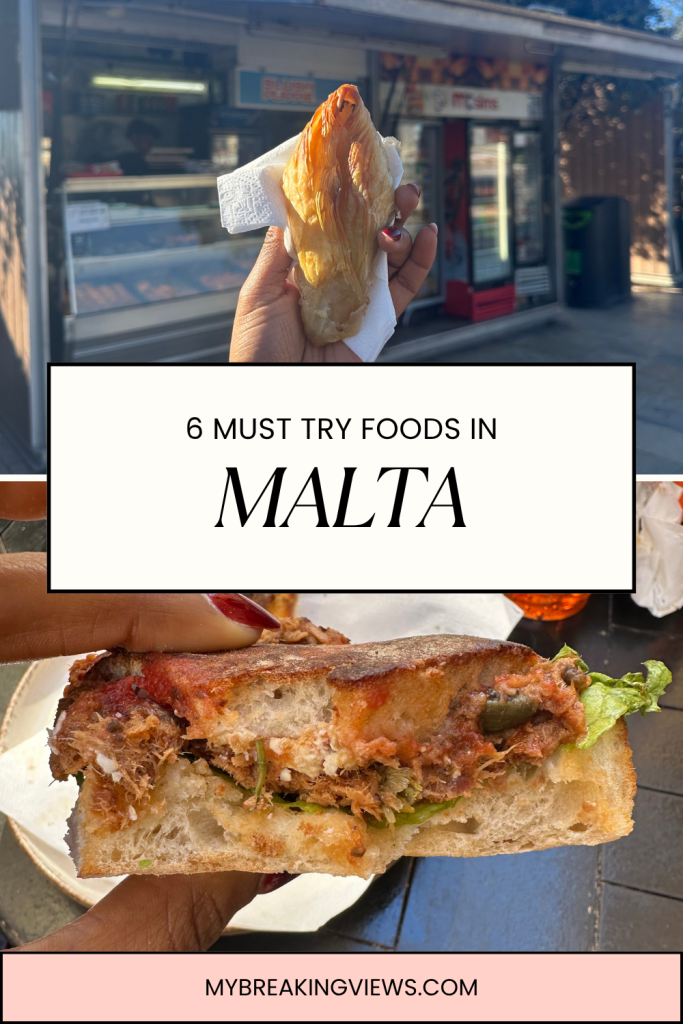
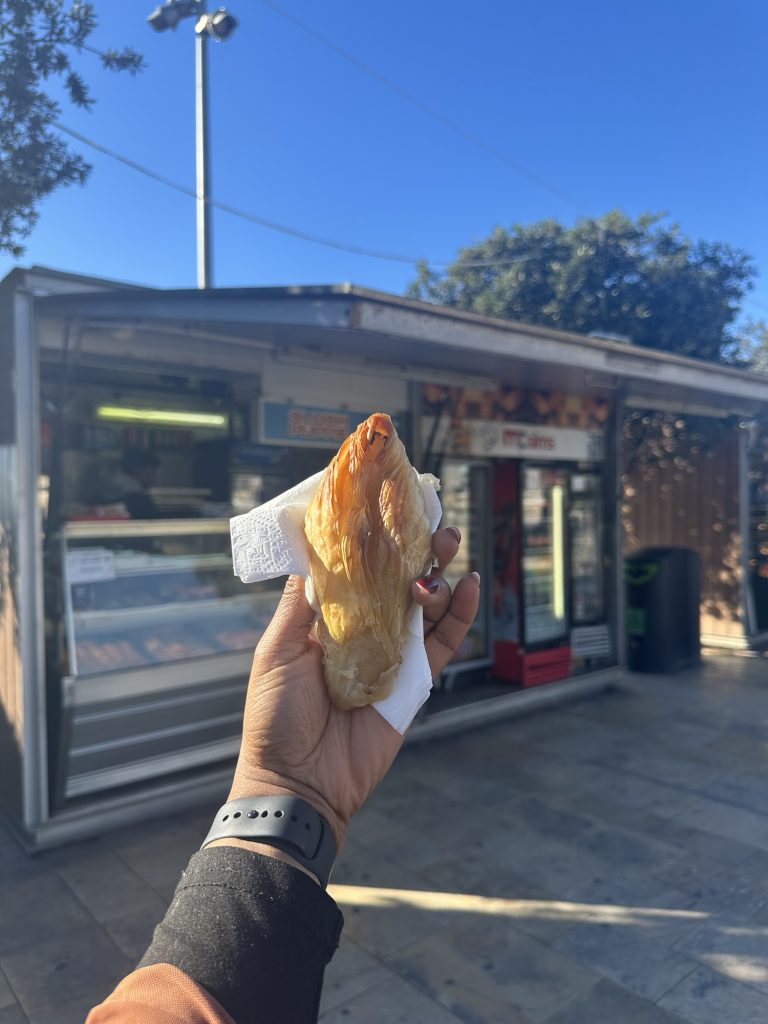
Pastizzi – Pastizzi is one of Malta’s most iconic street food snacks. These flaky pastries are usually filled with ricotta cheese or mushy peas and are cheap and filling. I got the ricatto one and loved it. They are usually eaten throughout the day and perfectly represent how Maltese food is rooted in practicality and everyday life.
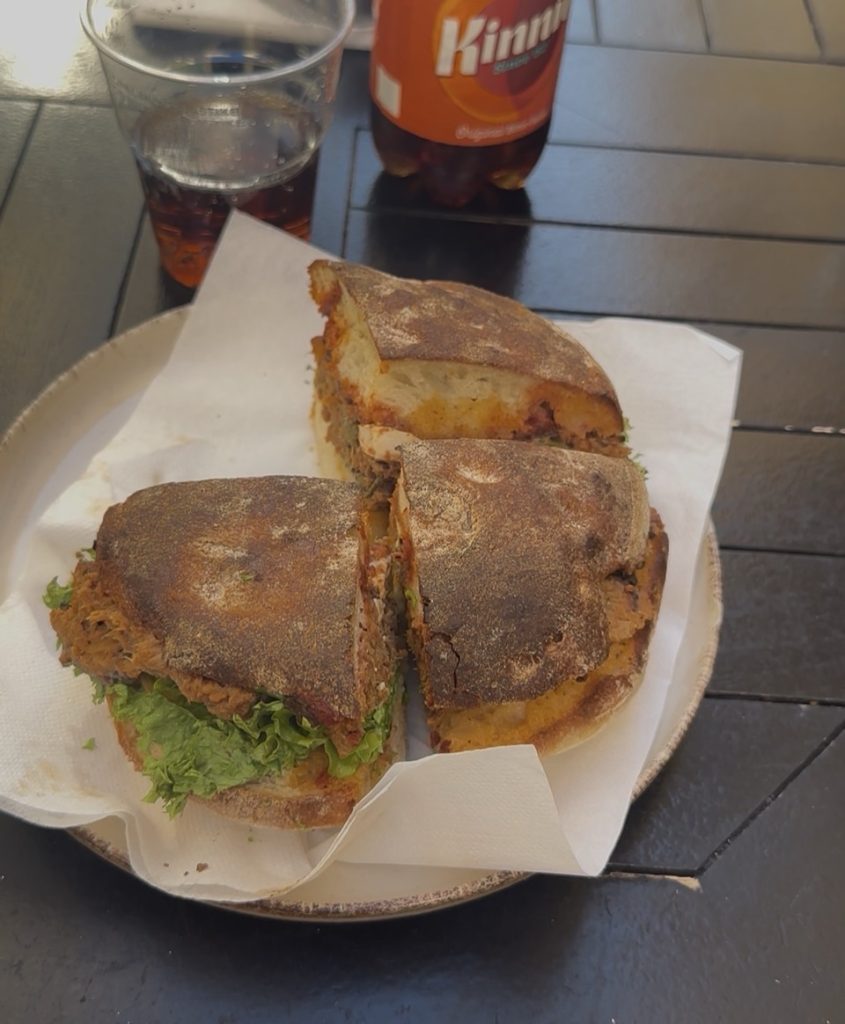
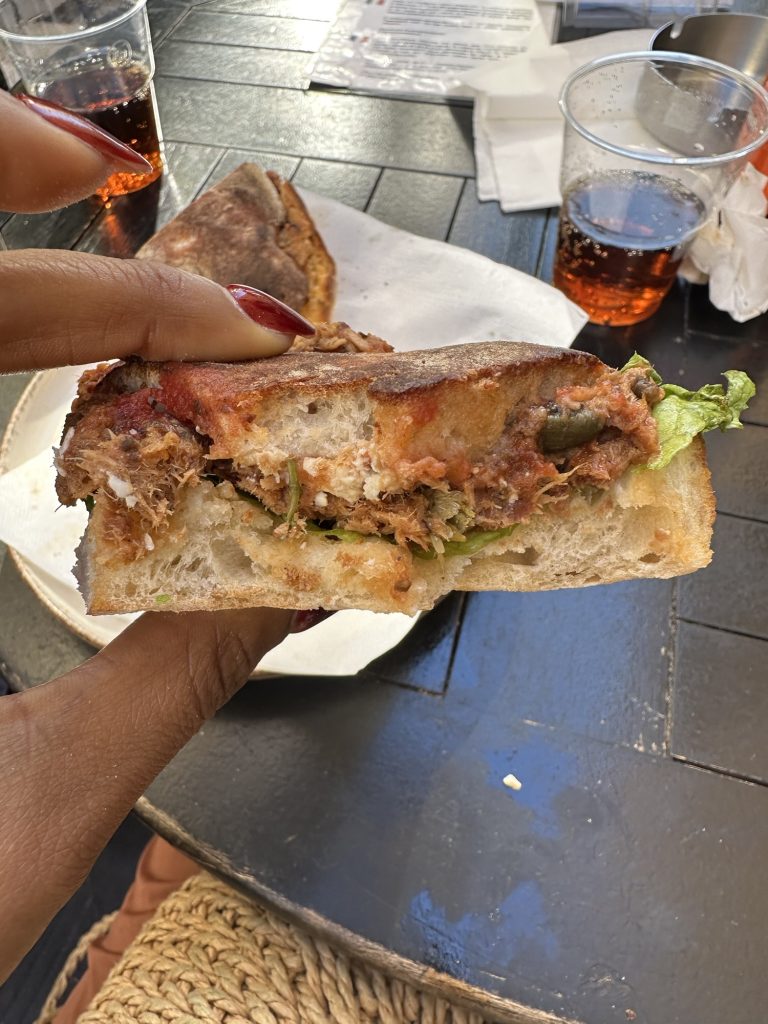
Ftira – Ftira is Malta’s traditional bread, soft and airy on the inside with a crusty exterior that tastes delicious. It’s often filled with tuna, tomatoes, olives, and olive oil. The tuna is sometimes fermented, giving it a rich, salty flavour that reflects Malta’s island history and reliance on preserved foods. I quite enjoyed this dish. I’m not really a bread person, but homemade bread always tastes better.
Kinnie – Kinnie is Malta’s national soft drink and definitely an acquired taste. It starts off sweet but finishes with a bitter, herbal aftertaste made from bitter oranges and aromatic herbs. I wasn’t sure how I felt about this; it was good at the beginning, but bitter at the end.
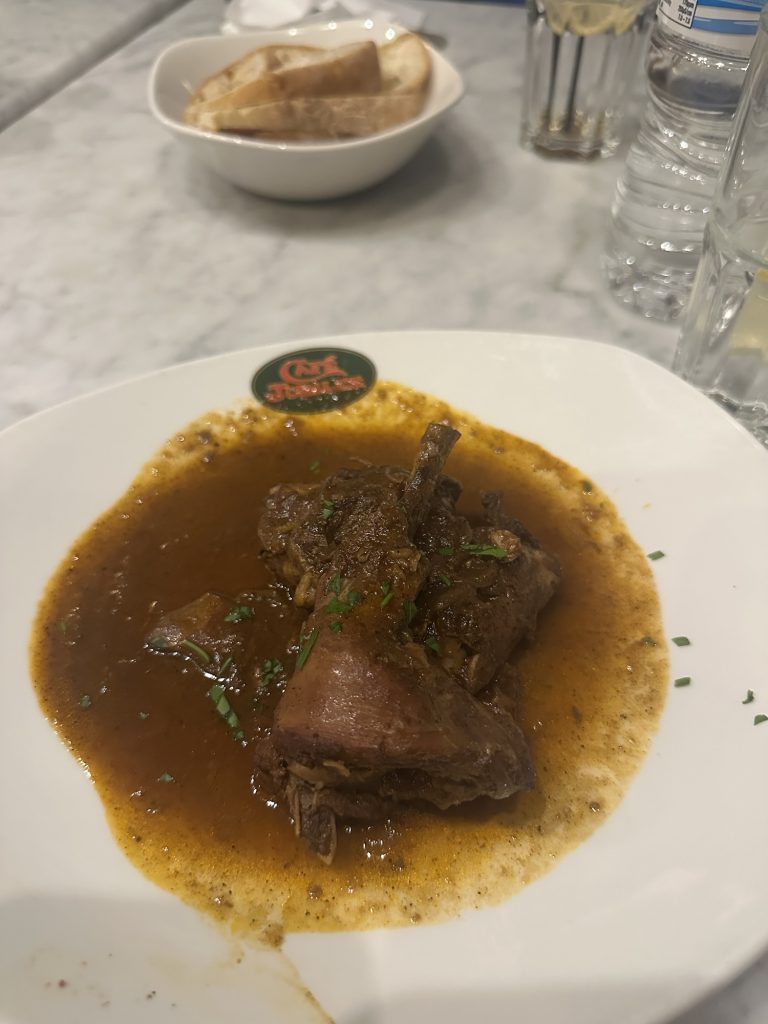
Rabbit (Malta’s National Dish) – Rabbit is Malta’s national dish and has deep historical roots. Historically, Beef was never widely available in Malta due to a lack of cattle farming. Goats and sheep were mainly kept for milk, and chickens were used for eggs. Rabbit and pork, therefore, became staple meats in the Maltese cuisine, with rabbit being especially important. Rabbit stew is slow-cooked, rich, and full of flavour. It’s bony, but very tasty, and an essential part of understanding Maltese cuisine.
Maltese Lager – The food tour also included Malta’s local lager, which was light, refreshing, and paired surprisingly well with the Rabbit.

Other Foods & Restaurants You Must Try in Malta
Beyond street food, I had many lots of other delicious meals across Malta. This included traditional Maltese cuisine restaurants to relaxed coastal dining. One thing that is for sure is that I didn’t expect the food to be this good. Below are the restaurants I tried and exactly what I ordered.
Ta’ Kris
Ta’ Kris is one of the best places to try traditional Maltese food. I ordered the rabbit stew spaghetti, with cheese, and it was super rich and packed with flavour. The dish was also pretty affordable, costing around €14. One thing I have learnt in my travels is that eating like a local usually means more affordable food.
Café Jubilee
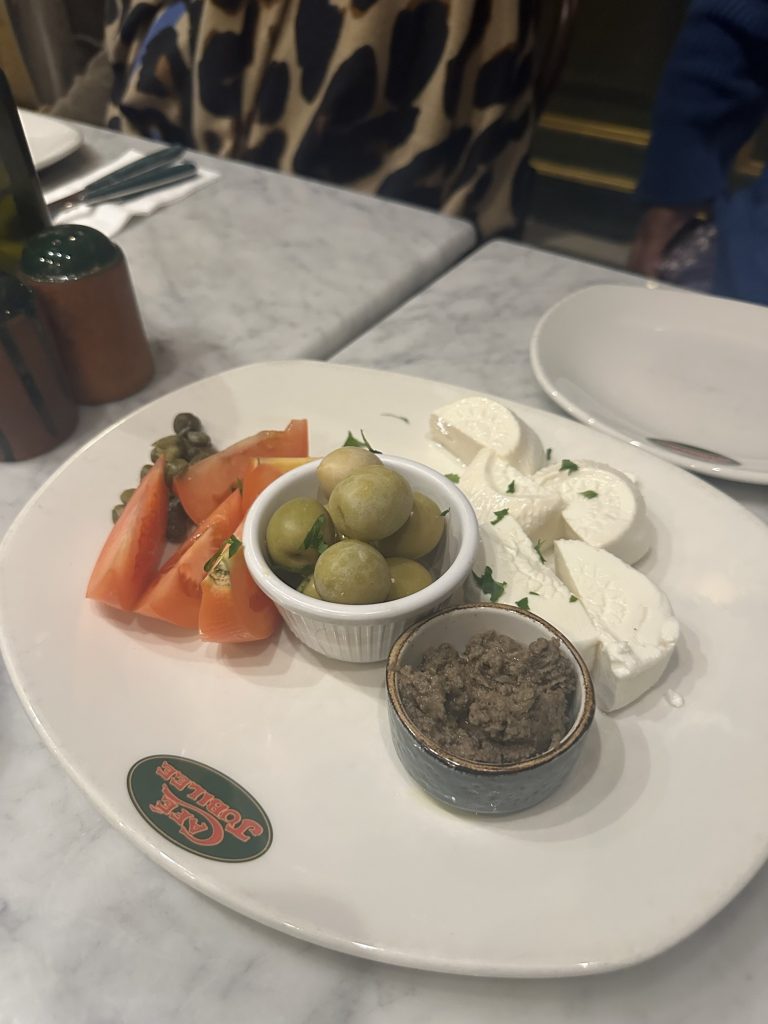
Café Jubilee is perfect for small plates and local flavours. Here, I tried the local goat’s cheese, bean spread with local bread, and Maltese olives (which I absolutely loved and adored).
Felice Brasserie (Sliema)
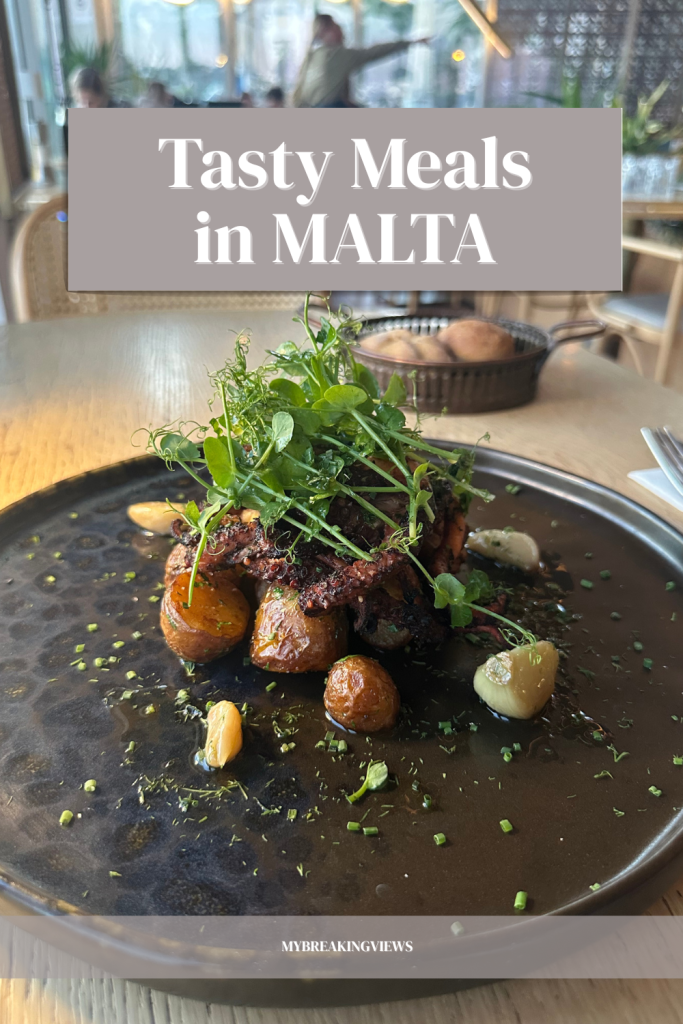
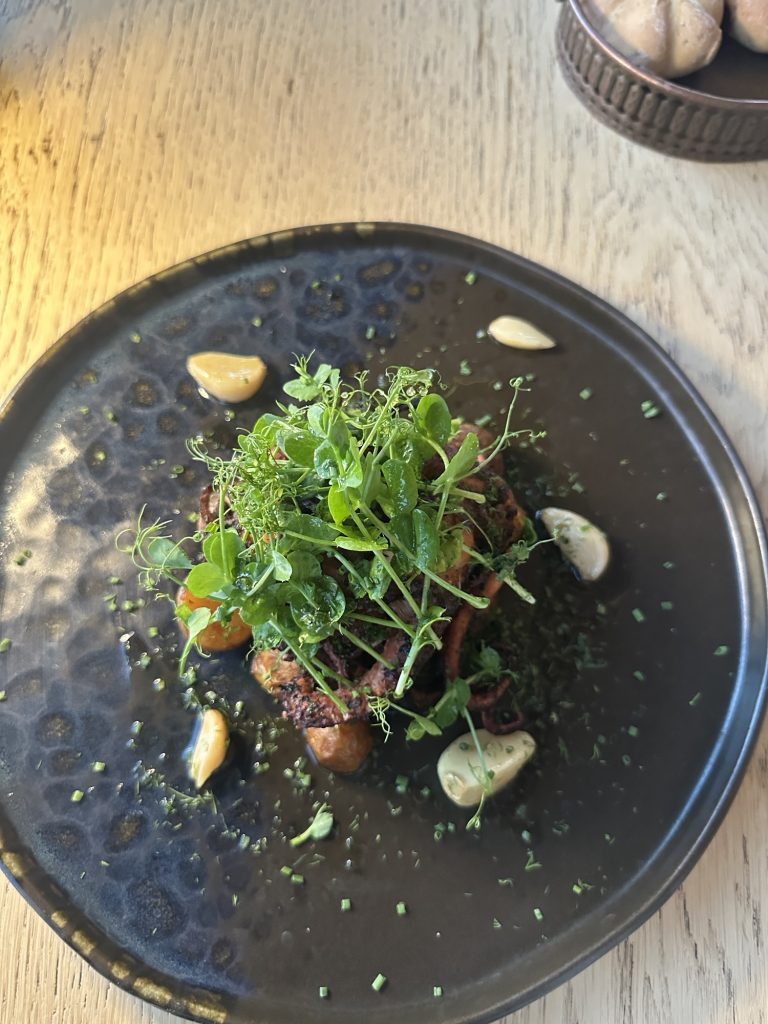
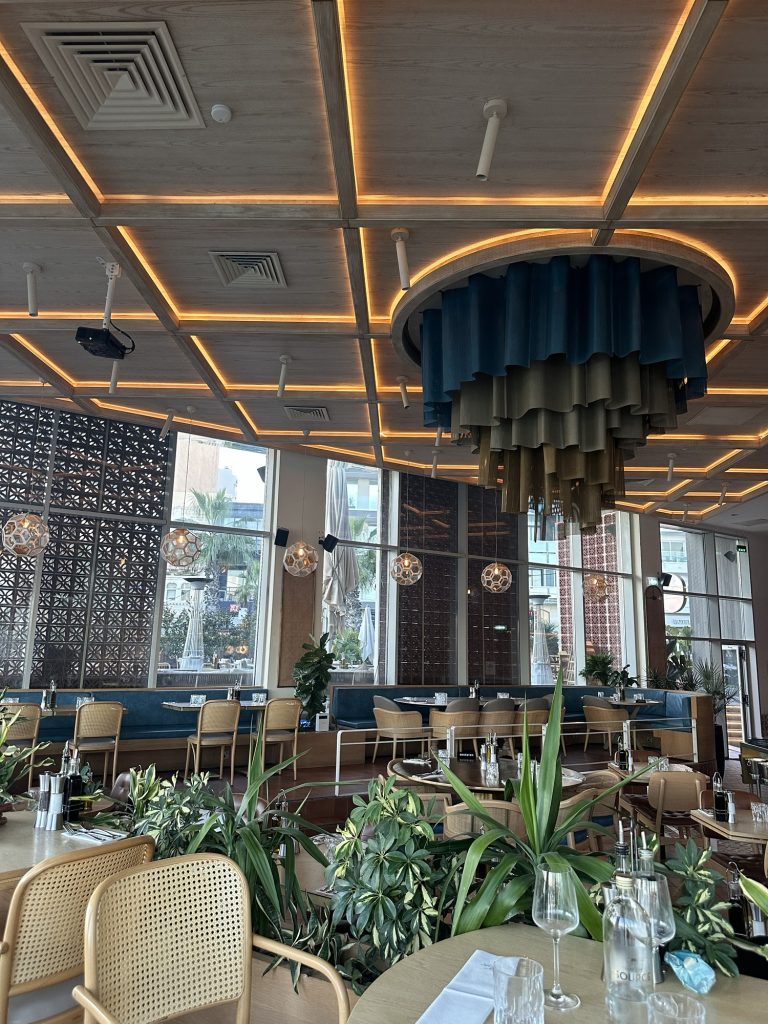
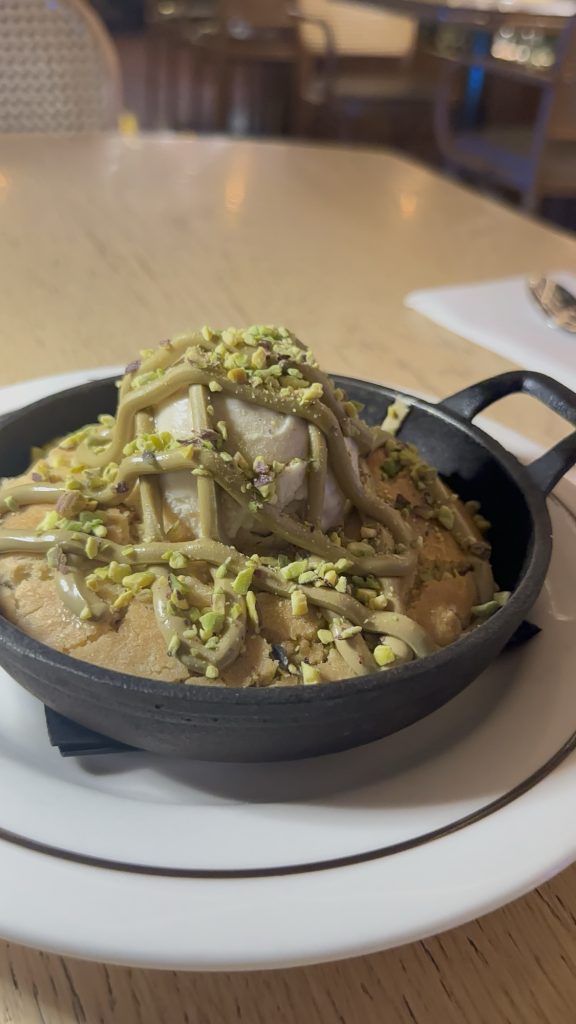
Felice Brasserie sits right by the water in Sliema, litreally 15 mins walk from the hotel I stayed in – 1926 Le Soleil Hotel & Spa, and is ideal for a relaxed meal with a view. I ordered the octopus for my main, which was cooked perfectly. In the past, I have not liked octopus, but this one was really good, tender and well-seasoned. For dessert, I had the pistachio cookie with ice cream, which was warm, gooey, and the perfect way to end the meal.
I was completely stuffed by the end of it. Below is also a map with the different hotels, if you want more detail on what to do, then head over to my post – An Amazing 4 Day Winter Solo Malta Travel Guide: Where to Stay, Do and Eat.
Picasso
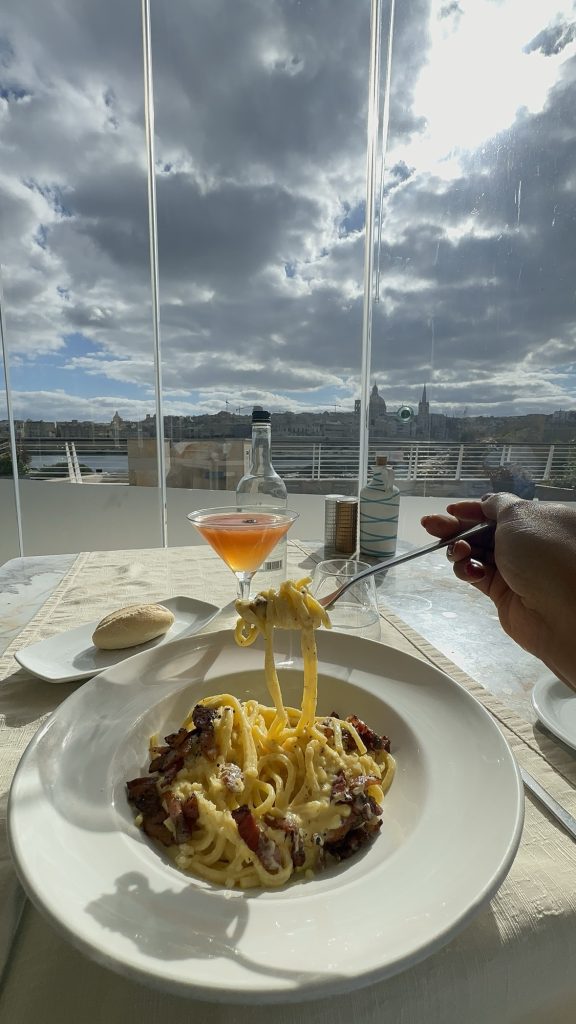
Picasso was one of my favourite dining experiences in Malta. I ordered the carbonara, which was cooked right in front of me and eaten while overlooking Valletta across the harbour. The pasta was perfectly cooked, and the setting alone made it so memorable.
Is Malta a Foodie Destination?
Yes, Maltese food is super tasty and not to mention delicious! Malta might not shout about its food culture, but it absolutely should. The influences in Maltese cuisine are shaped by Italian, British, North African, and Mediterranean and you can taste that diversity across the island.
In Malta, you will find:
- Excellent pasta dishes
- Fresh seafood
- Traditional stews
- Simple plates built around beans, bread, olive oil, and cheese
Final Views on Malta Cuisine
Maltese cuisine isn’t immediately obvious to the average tourist, but once you taste it, you will know why it is so important to explore it when in Malta. Its food reflects history, trade, survival, and influence. If you’re travelling to Malta and want to understand the country beyond the beaches and architecture, start with the food.
What do you think? Have you tried Maltese foods before? Let’s meet in the comments. And share this with someone who wants to know what food to eat in Malta.
Speak soon,
Debs MBV