Table of Contents
Introduction
I have always wanted to visit Abeokuta and make a day of it. Knowing where my parents and ancestors are from has always been something I have wanted to be more connected to, especially as someone born and raised in the UK. I recently did a day trip to Abeokuta and absolutely loved it. If you are looking for a day trip from Lagos, Abeokuta should be at the top of your list.
In this post, I’ll share my full Abeokuta day trip itinerary, where I not only took the train from Lagos to Abeokuta solo, but I also hosted my first private trip with my new company Ayoviama, where we made stops at the Presidential Library of Obasanjo, enjoyed an adire-making workshop, hiked the famous Olumo Rock, and more.
Related posts: Travel Guide: Eat & Experience Lagos, Nigeria
About Abeokuta
Abeokuta is the capital city of Ogun State, often nicknamed “the land of so many firsts.” For example, Abeokuta is the home of Nigeria’s first church, built after the abolition of the transatlantic slave trade in the 18th century, and its foundation stone was laid in 1843.
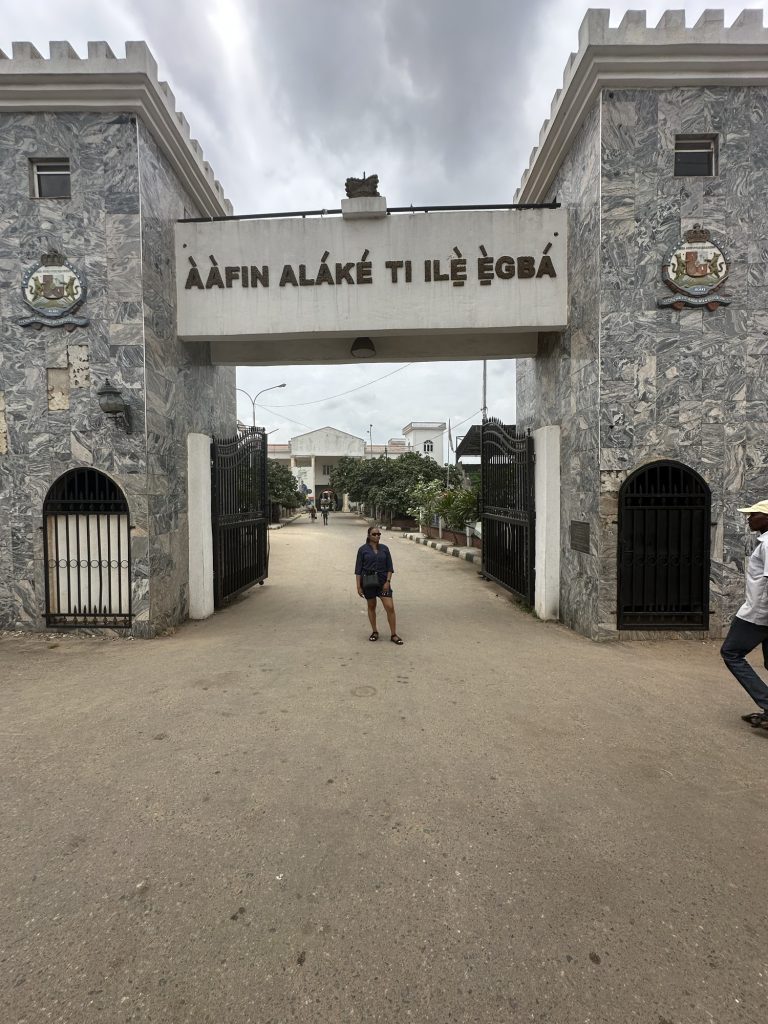
The city is located in the south-western part of Nigeria and is situated on the east bank of the Ogun River. The city is home to several caves and shrines, including the famous Olumo Rock, which holds so much history and tradition today.
Getting the Train from Lagos to Abeokuta
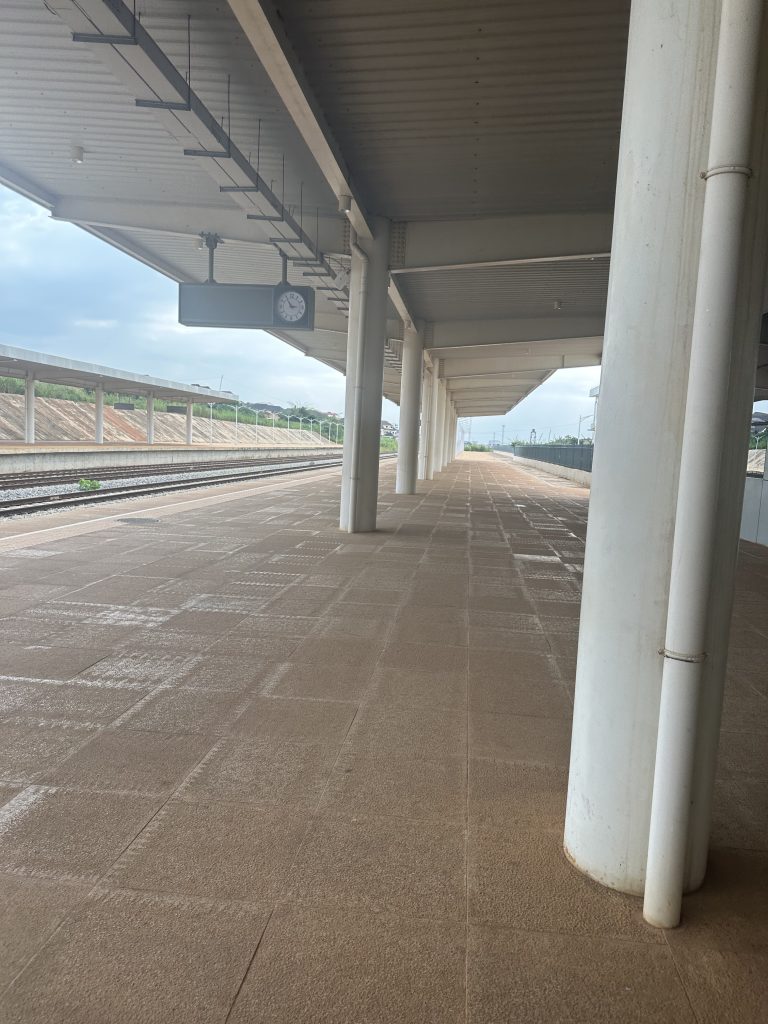
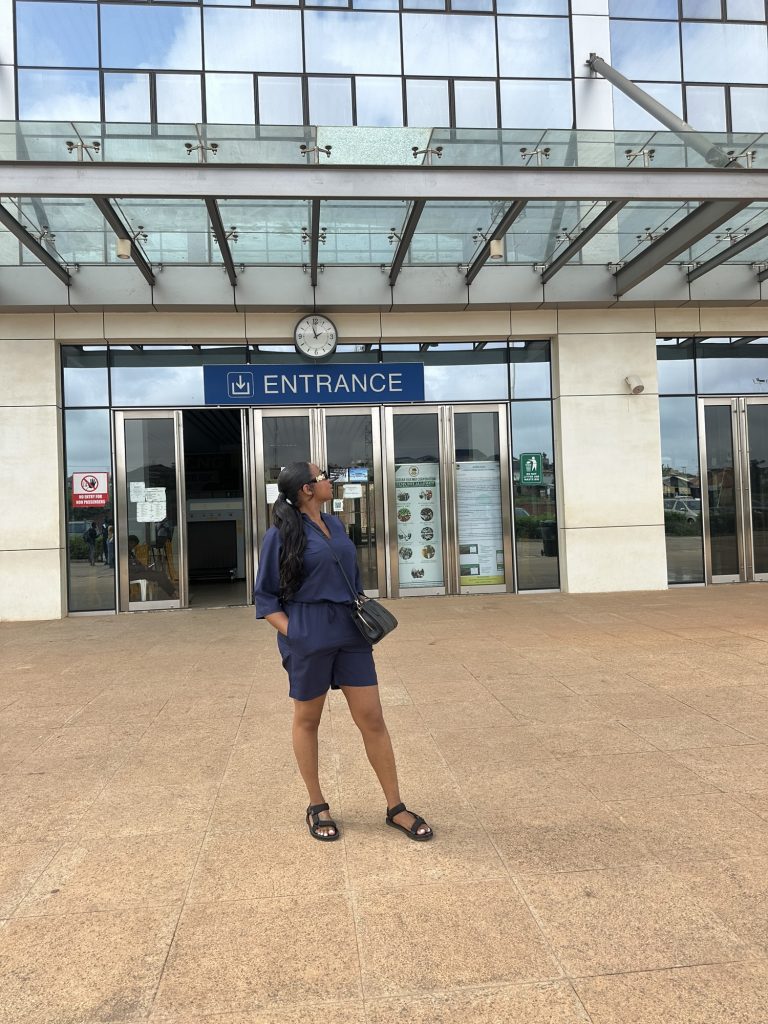
I woke up bright and early to catch the 7:57 am train from Mobolaji Johnson Station in Lagos to President Olusegun Obasanjo Station in Abeokuta. I got there around 9.00 am in the morning. I have done a reel and TikTok about this, which you can watch here.
The train was comfortable, affordable, and such a stress-free way to travel. I highly recommend it over the road trip. You can book your train ticket here.

Below is the key things to do for your Abeokuta Day Trip Itinerary:
- Stop 1: Olusegun Obasanjo Presidential Library (OOPL)
- Stop 2: Adire Making (Tie-Dye Workshop)
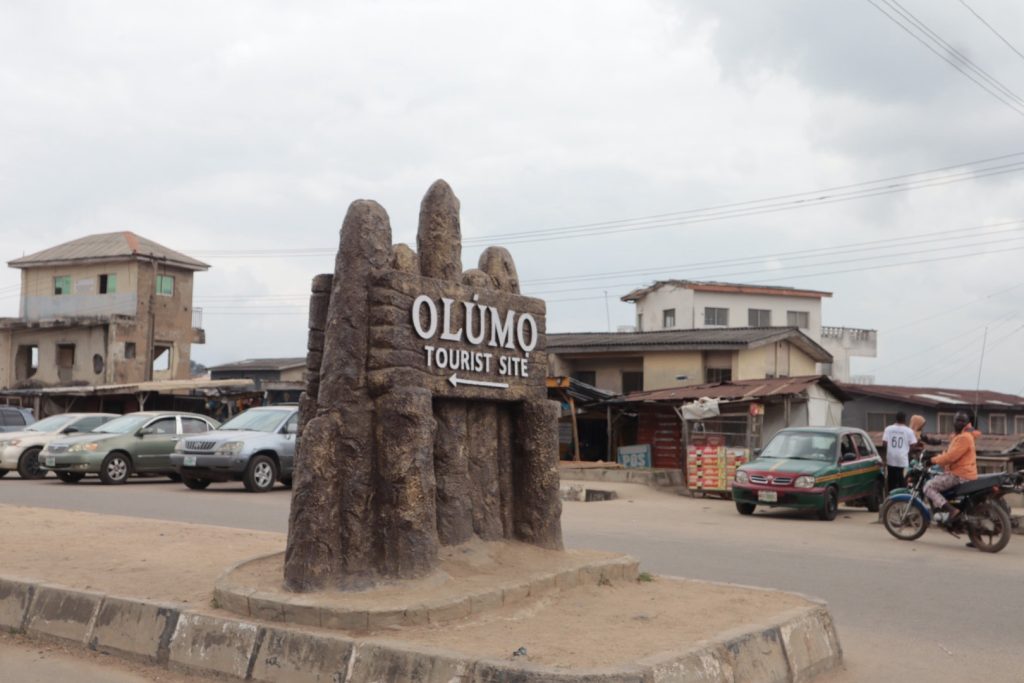
- Stop 3: Climbing Olumo Rock
- Stop 4: Adire Shopping
- Stop 5: Lunch at 24 Hours Abula Spot
Olusegun Obasanjo Presidential Library (OOPL)
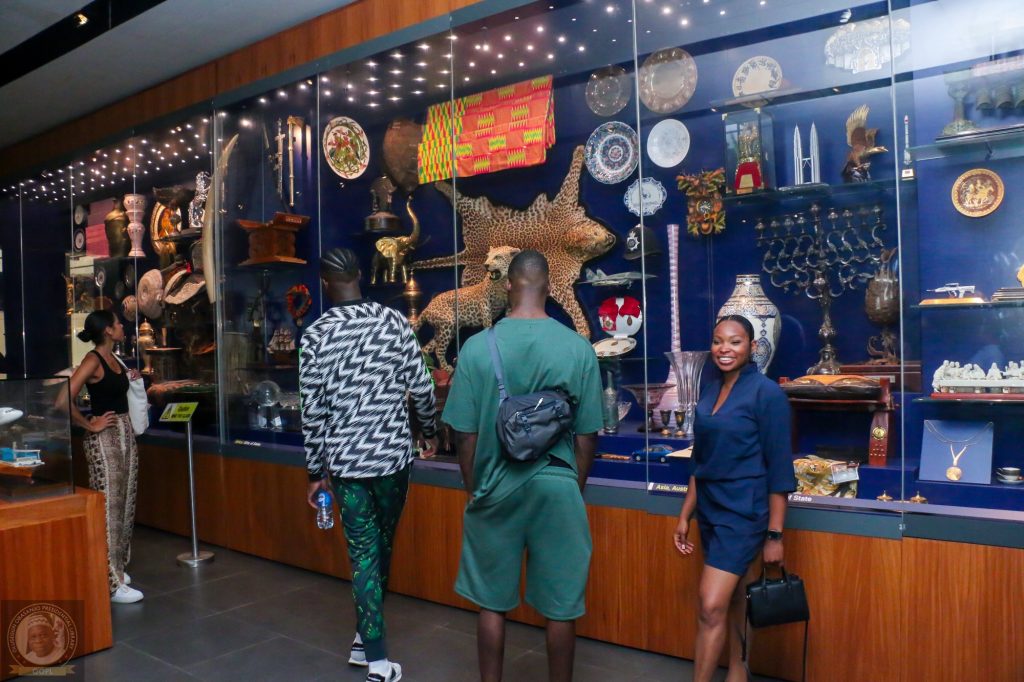
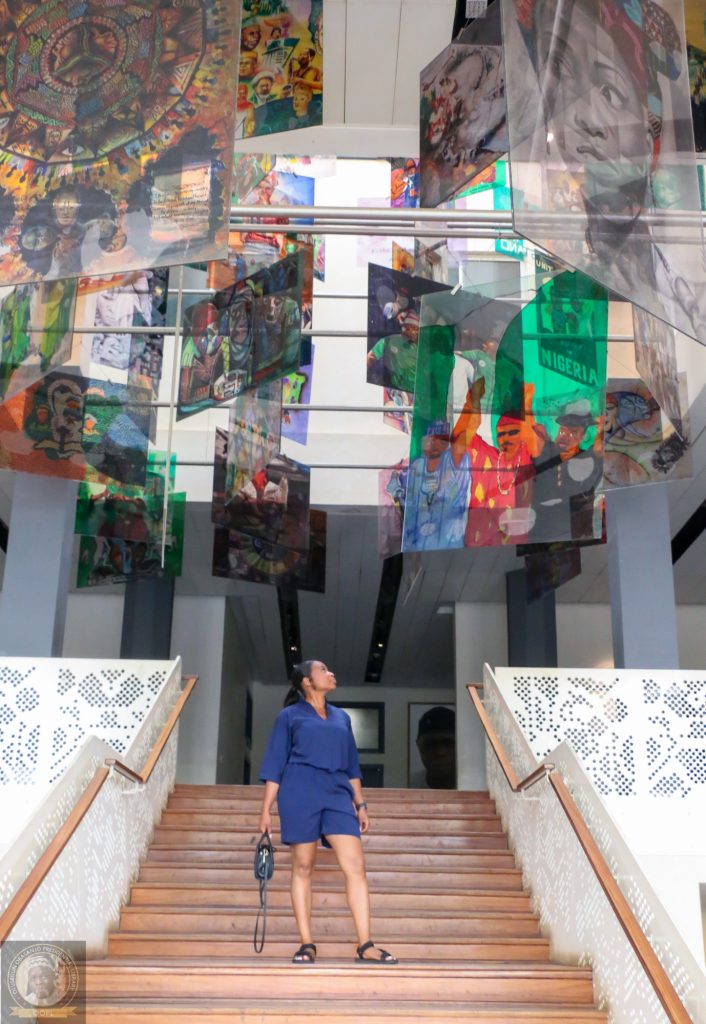
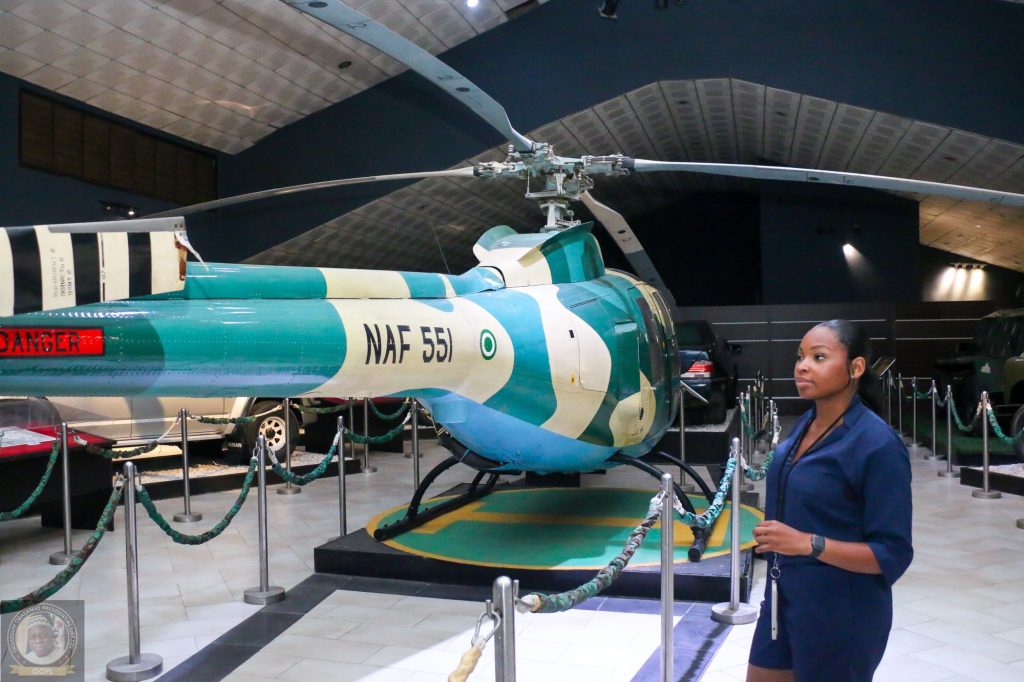
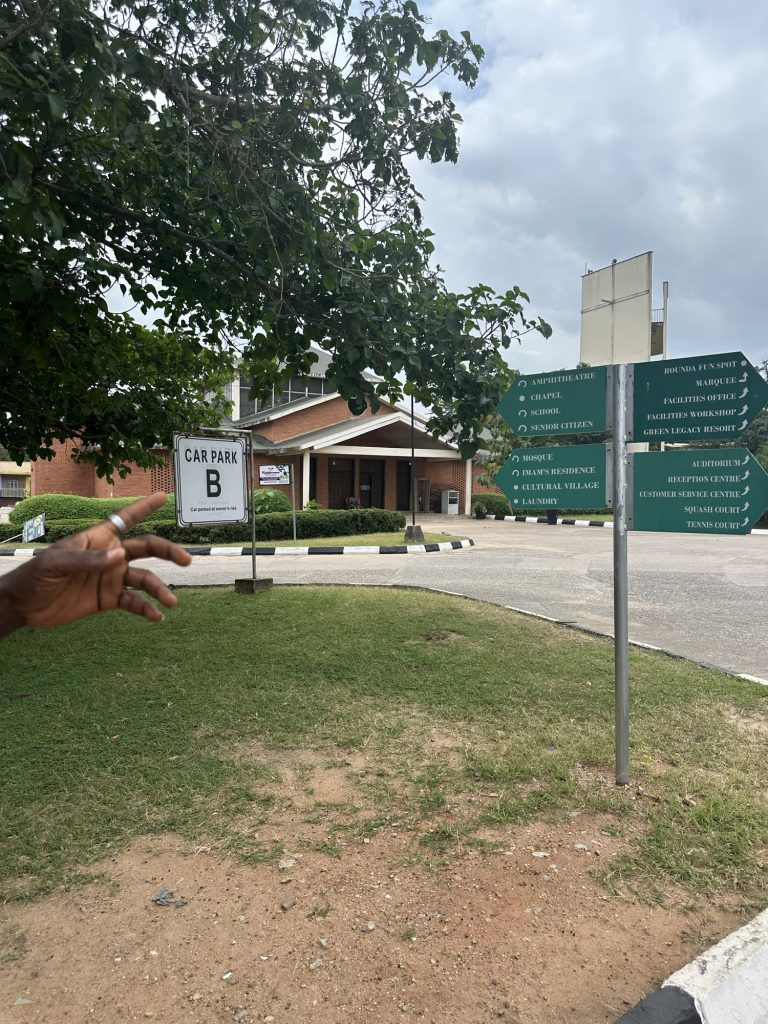
Our first stop was the Olusegun Obasanjo Presidential Library, which was fascinating. I learned so much about Nigeria’s former president, Olusegun Obasanjo, his time in office, and Nigeria’s political history. The museum is beautifully curated and gives a great introduction to Ogun State’s importance in Nigeria’s story.






Adire Making (Tie-Dye Workshop)
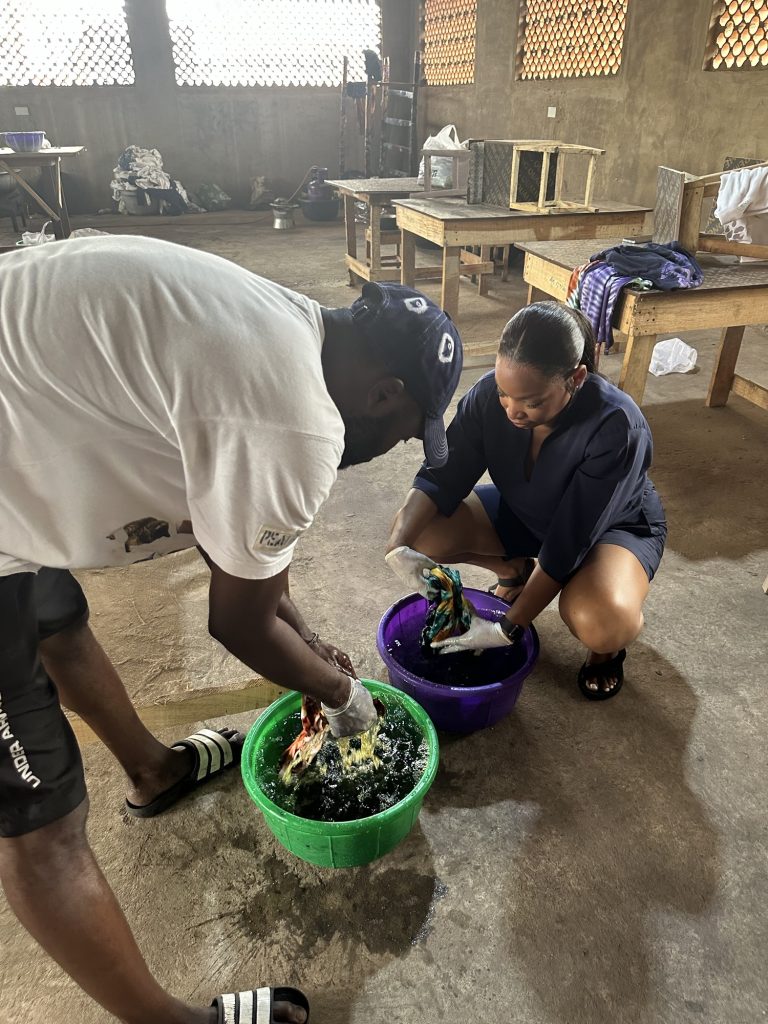
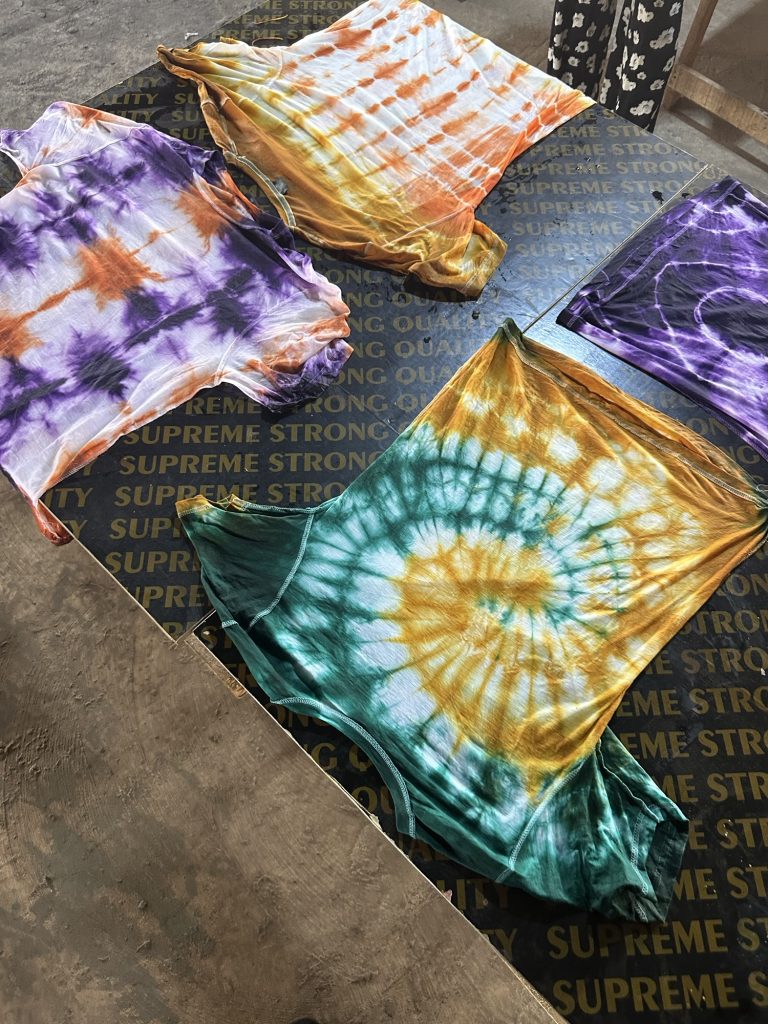
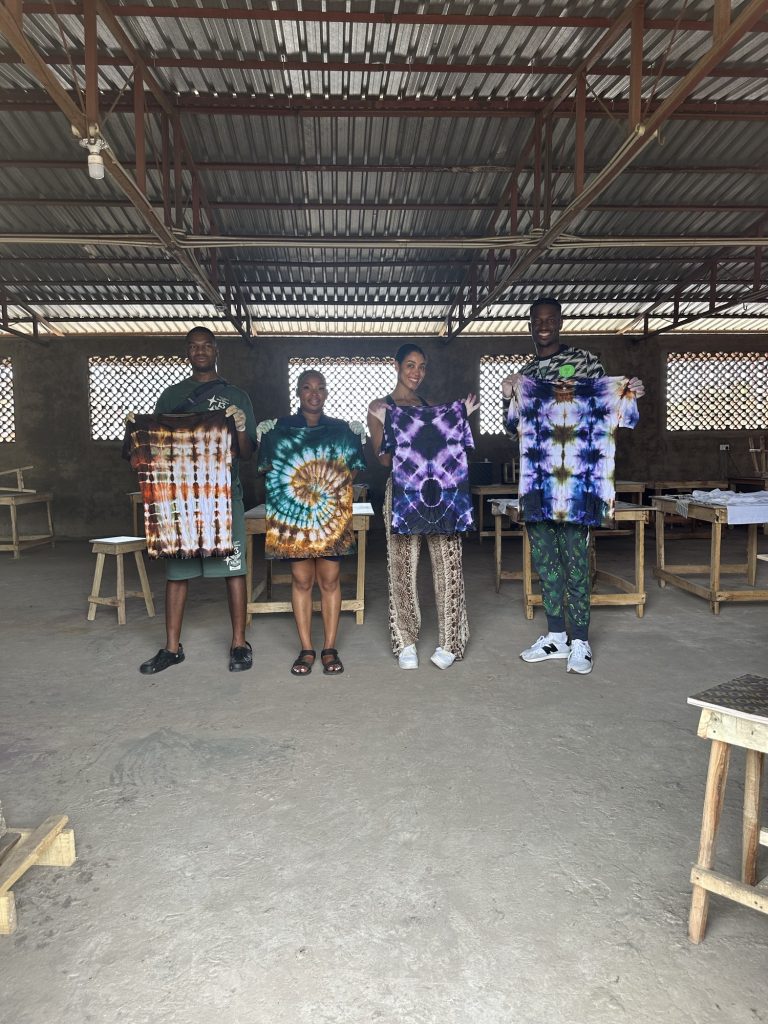
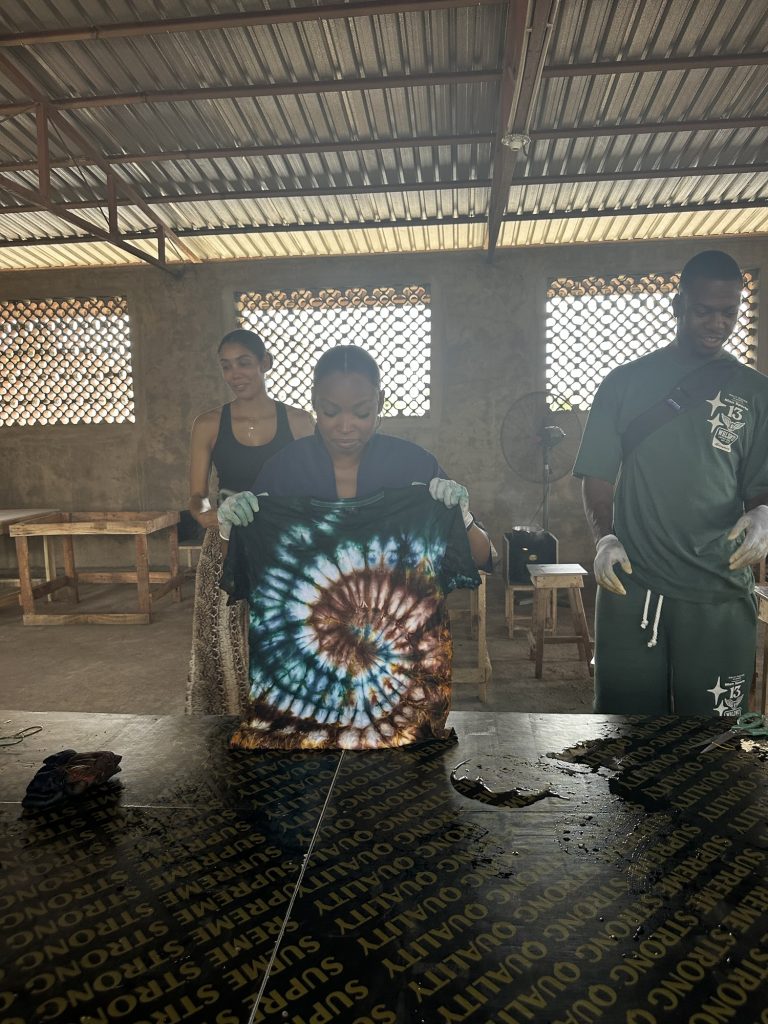
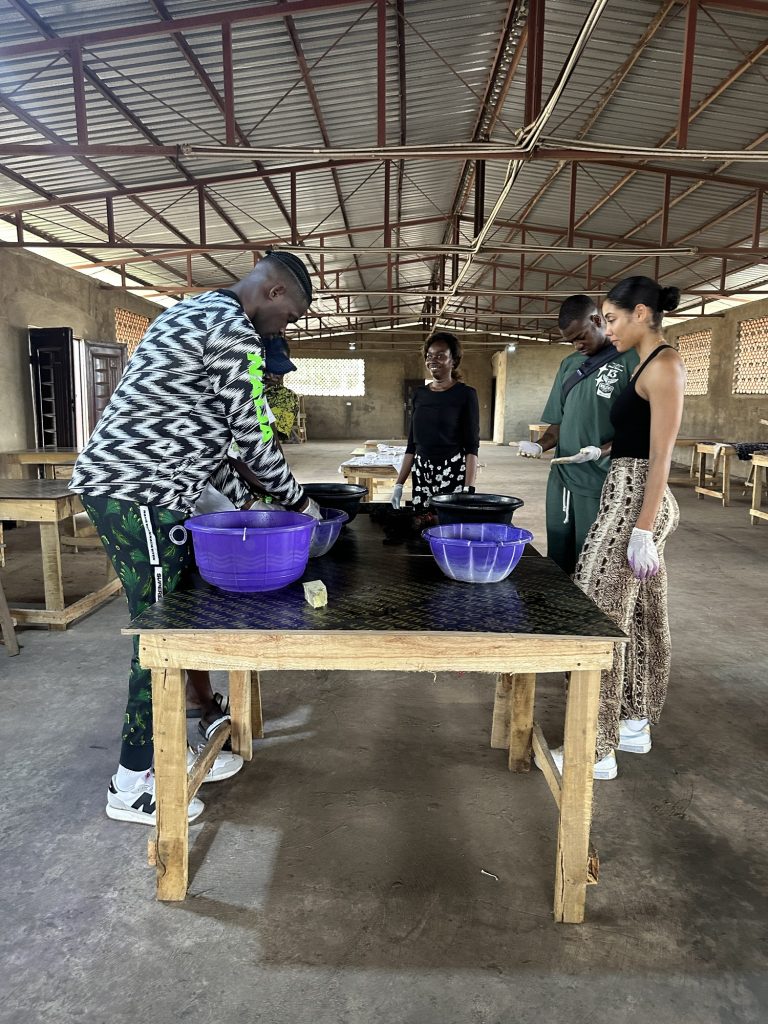
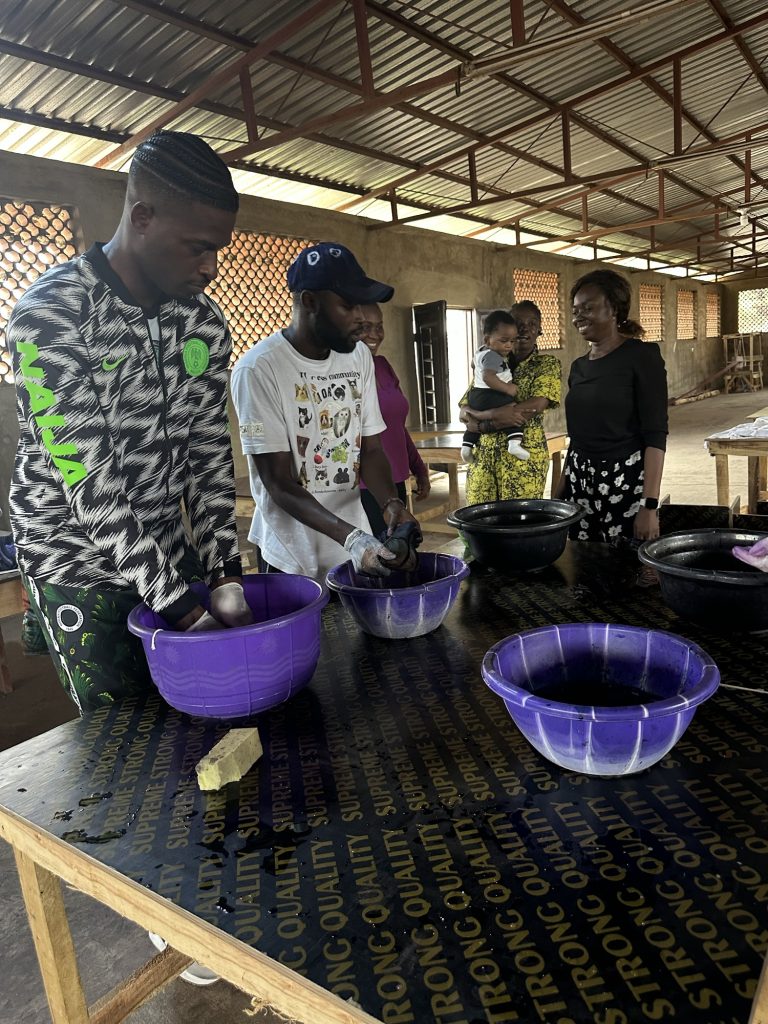
Next, we headed to an adire-making workshop, where I got to make my own master piece of colours from dye. Adire (which means “tie and dye” in Yoruba) is a traditional fabric-making technique that originated with the Egba women of Abeokuta in the early 20th century. The women used indigo dye and resist techniques to create bold, beautiful patterns that told stories of their culture and heritage.
I chose green and yellow, the official colours of Ogun State, to honour my dad’s family roots.
Here’s what to expect if you go:
- You’ll get plain white fabric to design
- You fold, tie with elastic bands, or stitch patterns into it
- The fabric is dipped into natural dye baths (we had the choice of purple, green, yellow and blue colours)
- You rinse, dry, and take home your masterpiece!
It was so much fun and also very grounding activities to do. Knowing that this craft has been passed down from generation to generation gave me a deeper appreciation for the skill involved.
Climbing Olumo Rock
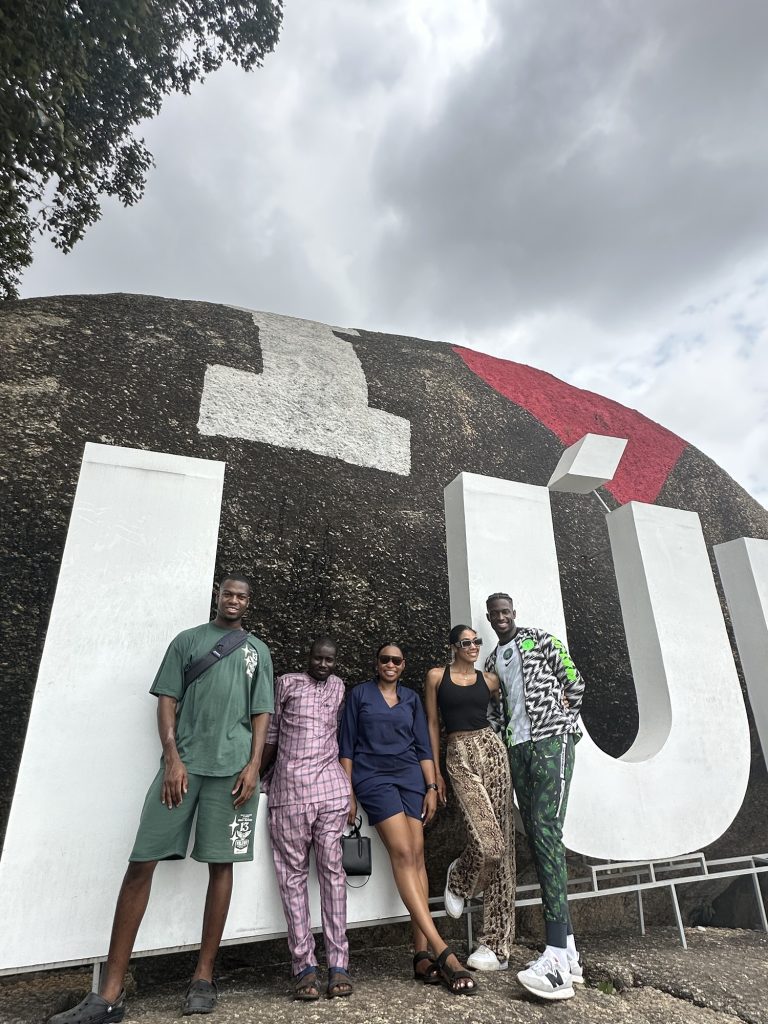
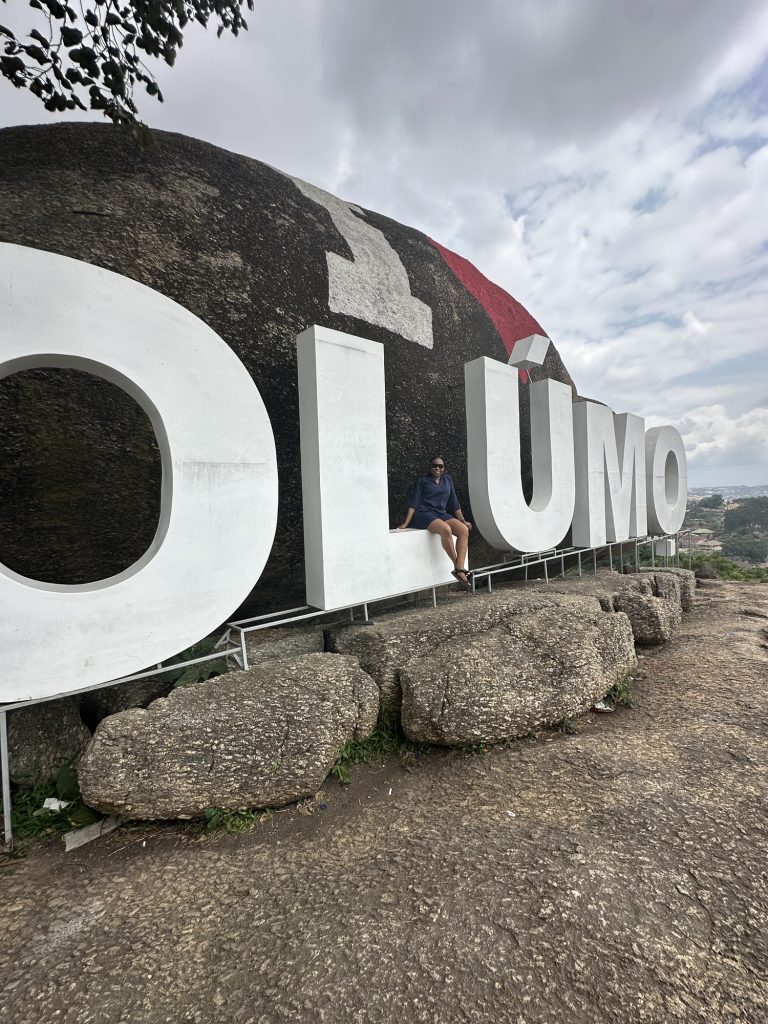
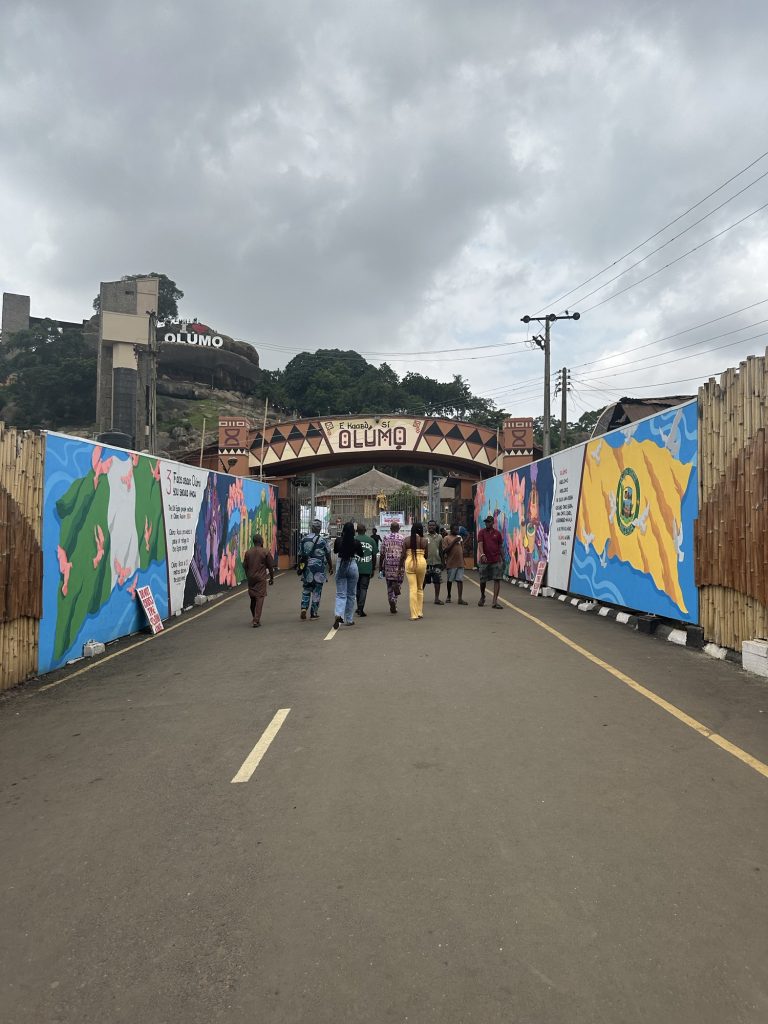
Next was the reason I came to Abeokuta (well aside from connecting to my family’s roots), I really wanted to do a hike up Olumo Rock, especially as I’ve done it in Peru, Malaysia and many other countries, it only seemed right.
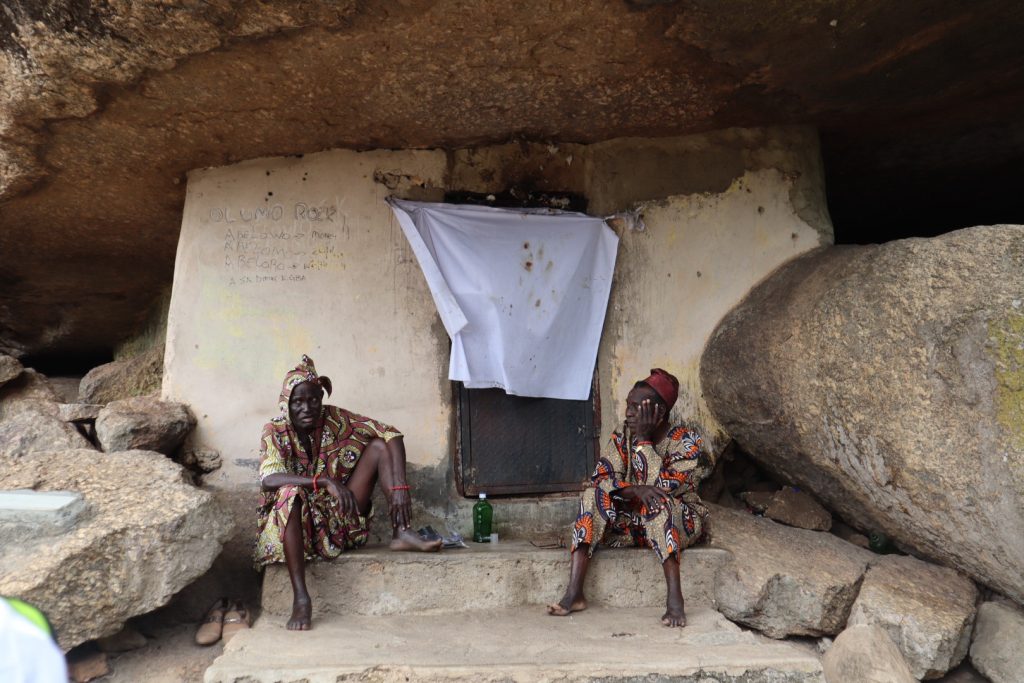
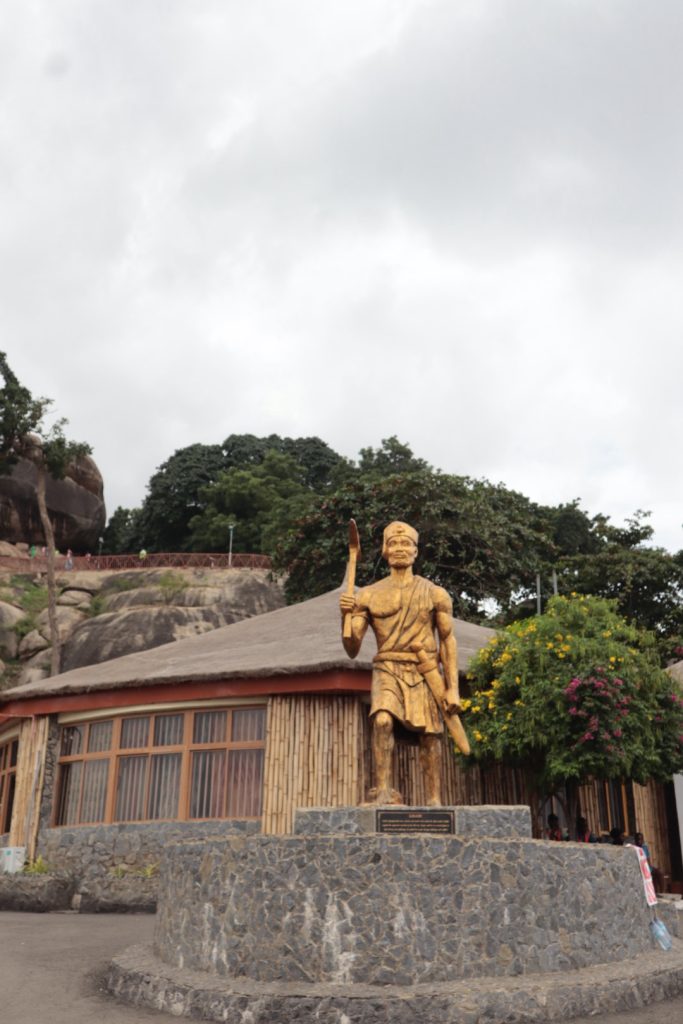
Olumo Rock is one of the city’s most iconic landmarks and for good reason. It is a massive outcrop of granite that rises about 137 meters (450 feet) above sea level. Historically, it served as a natural fortress for the Egba people, who used it as a hideout during inter-tribal wars in the early 19th century. The rock provided a safe vantage point to watch for enemies, and it still stands today as a symbol of strength and resilience.
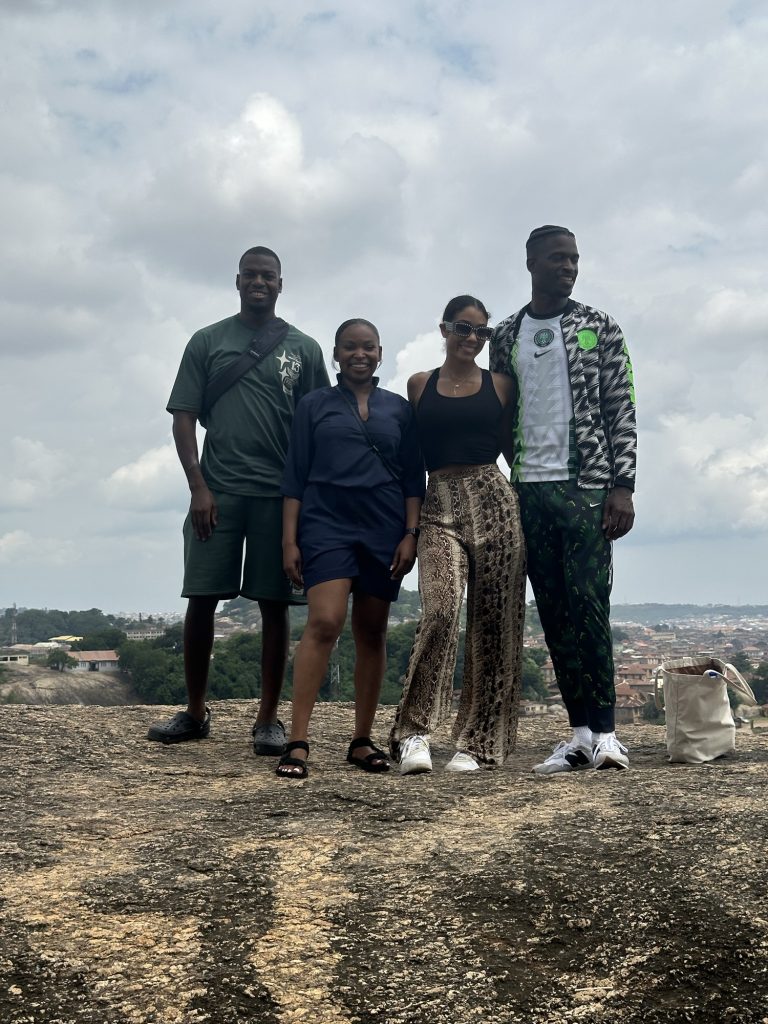
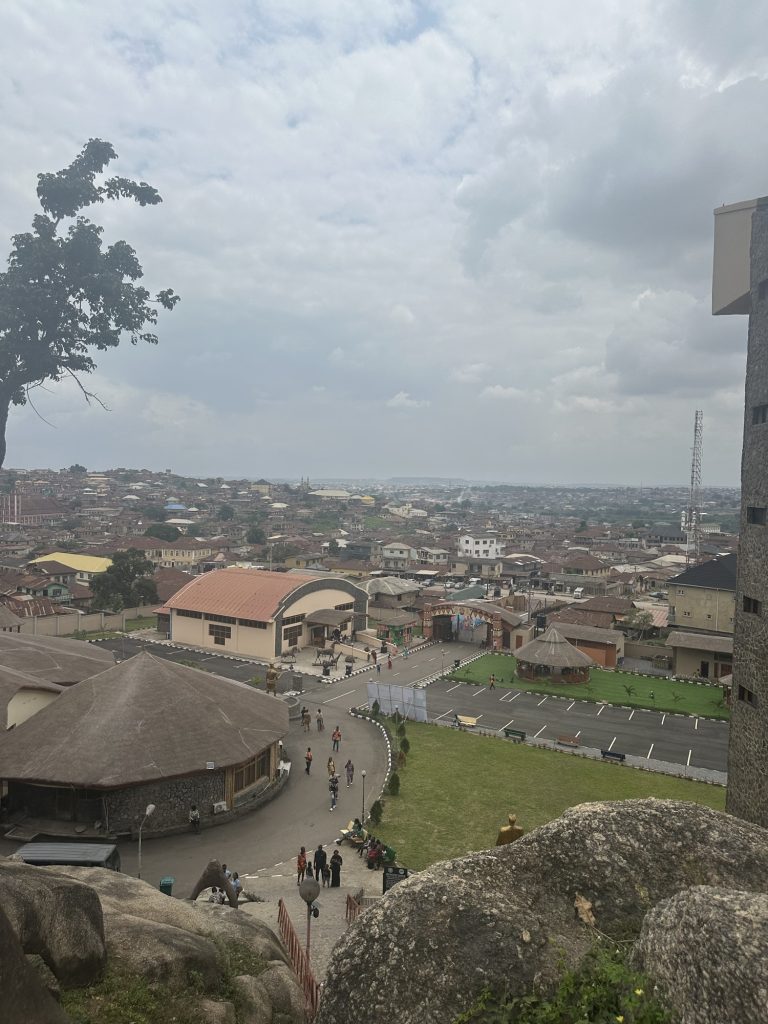
Reaching the top felt like such an achievement, and the views made every step worth it. I would highly recommend adding Olumo Rock to your Abeokuta day trip itinerary.
Things to know before you go:
- Entry: Free to enter, but you might want to tip the local guides who share stories along the way
- Climb: There are three stages to reach the top with a mix of stairs, narrow passages, and natural rock slopes
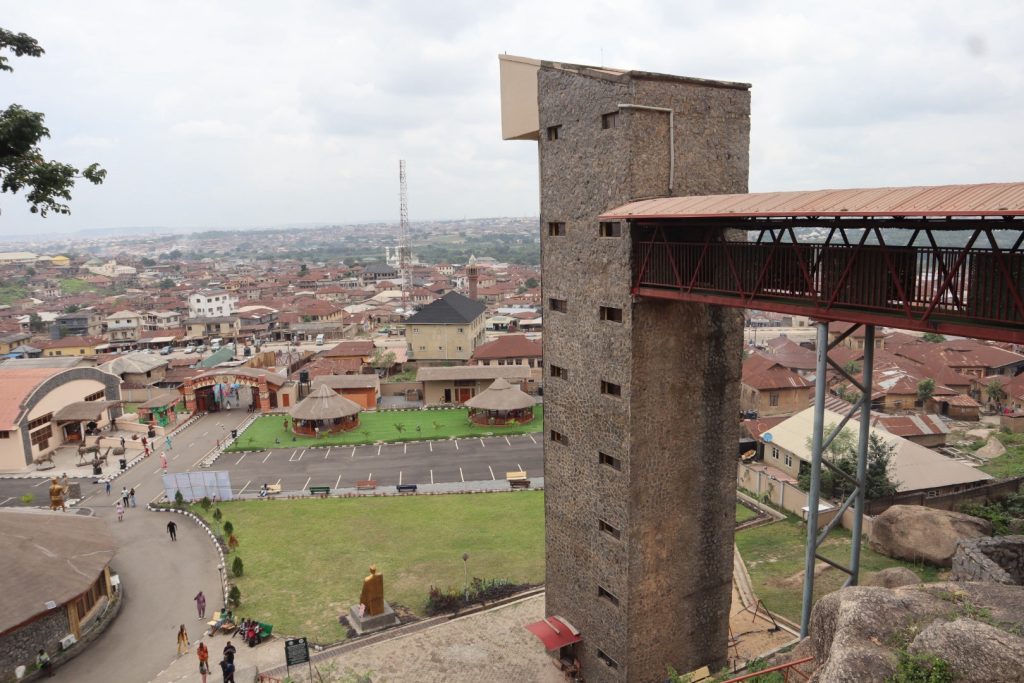
- Views: At the summit, you get a panoramic view of Abeokuta, including the first church, the Ogun River, and the red roofs that make this city so picturesque
Tips:
- Wear comfortable shoes
- Bring water and sunscreen
- A handheld fan will be your best friend because you will get hot.


Adire Shopping
After the climb, we visited the local adire market, which is the best place to buy fabrics directly from the makers. Prices are very reasonable, and you can find unique, hand-made designs to take home as souvenirs.
Lunch at 24 Hours Abula Spot
Our last stop was at 24 Hours Abula Spot, where I had my favourite Nigerian dish, abula, which I like to call “traffic light soup” (because of the colours). Abula is a combination of:
- Gbegiri (yellow bean soup)
- Ewedu (green jute leaf soup)
- Obe Ata (red stew)
It’s all served with amala, a smooth yam flour swallow that pairs perfectly with the soups. This meal alone was worth the trip!
Final Thoughts
And there you have it, a cultural trip for your Abeokuta day trip. My day in Abeokuta was everything I wanted to see and more. It was such a memorable experience, and I am so glad I made it out to see where my ancestors were from. Which, for me, is gold. Growing up in the UK sometimes removes you from your identity, and so for me it’s such a treat to learn that there is so much depth and history to where I come from. Read more about it here – Living Abroad as a Black British Nigerian Woman.
From learning about Nigeria’s history at the presidential library, to creating my own adire, to conquering Olumo Rock, and finishing with a big bowl of abula, it was the perfect mix of history, culture, and fun.
If you’re visiting Nigeria (or even if you live in Lagos), this trip is a must-do. It’s a chance to reconnect with history, celebrate Yoruba culture, and enjoy some of the best food Ogun State has to offer.
Would you try climbing Olumo Rock or designing your own adire? Let me know in the comments!
Speak soon,
MBV x