Table of Contents
Introduction
Crossing borders is one of my main reasons I have been able to travel around the world so much. I’ve always seen crossing borders on one trip as an easy way to knock two birds with one stone. Or even knock two countries with one flight – get it lol!?
Over the years, I’ve been crossing borders all over the world. Here are a few and how I have done it:
- Car: Montenegro → Croatia, Uganda → Rwanda, Benin → Togo, Malaysia → Singapore, Houston → New Orleans
- Plane: Morocco → Nigeria, Uganda → Zanzibar, Peru → Colombia and so many more….
Each border crossing has taught me something new about preparation, patience, and most importantly people. Here’s my guide to crossing borders smoothly, plus space for my own real-life stories from each journey.
1. Check Entry Requirements Before You Go
Rules can change without notice. Some borders require visas, sometimes it’s easier than others and can depend on the passport you own. I recall some visa processes being harder than others. My visa process for Uganda was incredibly challenging and I recall travelling to many South East Asian countries requiring a lot of visa too. Here are a few things to be mindful of when crossing borders:
- Visas – sometimes on arrival, sometimes in advance. You should always check online what the visa process is, you can do this by typing in Google ‘What are the visa requirements for X passport’. There is also iVisa which you can also check here.
- Vaccination proof – some countries around the world require the Yellow Fever certificate which is common in parts of Africa. Luckily the certificate is for life so it’s important to always have with you for ease.
- Permits – for certain restricted areas. It is worth checking the countries reports and setting the news etc.
2. Carry Local Currency (and USD if Possible)
It’s important when crossing borders to carry cash, in many countries USD does seem more easier to exchange. In crossing borders I have seen that some countries require border fees, local tax fees at hotels etc. In my most recent trip I had to pay a fee when I arrived in Cape Verde. Although I wasn’t crossing a border directly it is an example of where fees are required.
Another country where I have had to pay ‘border fees’ has been from Nigeria → Benin. Despite having a Nigerian passport I still had to pay a small fee. You may also need:
- Small change for local transport. Don’t expect taxis, buses and small business to accept card.
- Cash for emergencies if ATMs are down, which can happen trust me especially in countries like South Africa where there is load shedding.
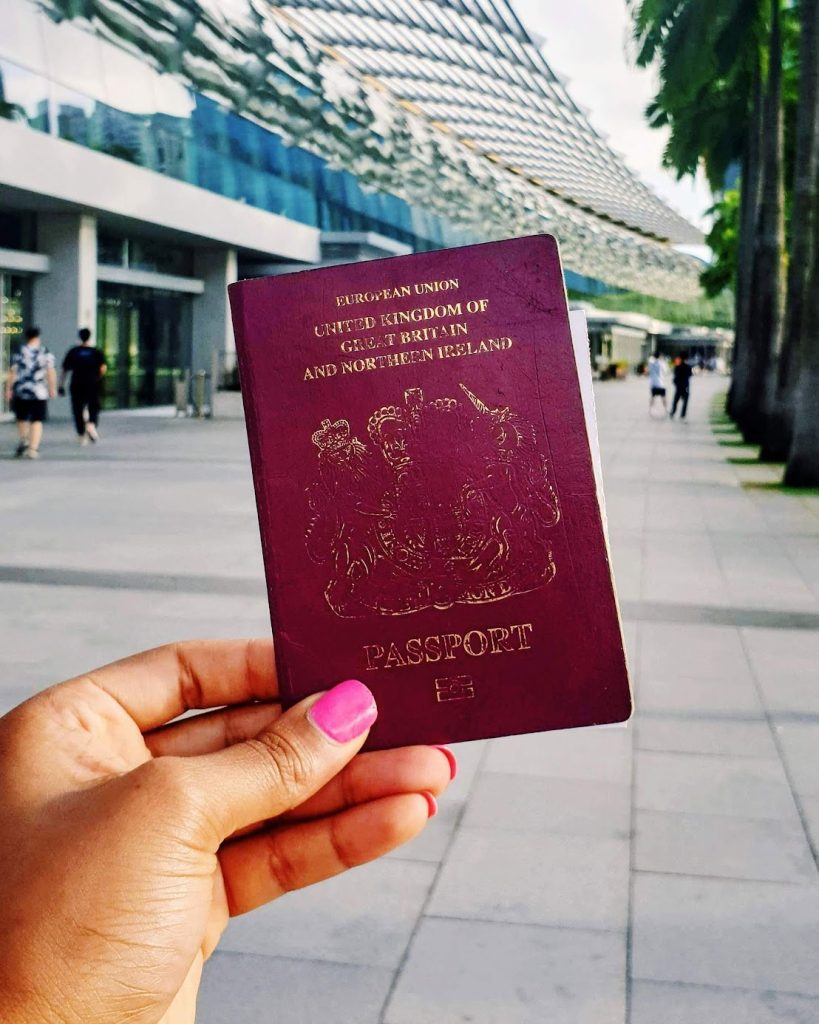
3. Keep Your Passport Handy but Secure
You might show it multiple times before you’re through. Keep it zipped pocket or waist pouch and separate from your money for quick access.
4. Plan Your Timing
If you are crossing borders I would always advise avoiding rush hours at land crossings. You may also want to consider:
- Checking for public holidays or weekend traffic as this may hinder you from crossing borders by car.
- For airports, aim to arrive early to avoid long immigration queues and please don’t book anything
5. Respect Local Rules & Etiquette
When you land you can sometimes forget that the local rules and etiquettes wherever you are. I recall living in Singapore as a study exchange student and learning the rules before moving out there, which you can read 7 Laws You Should Know About in Singapore. Knowing the rules for the country you are travelling to is very important. Here are a few things to be mindful of.
- No photography unless allowed, particularly at airports when going through security.
- Dress modestly in conservative areas, some countries like India, Morocco, Thailand (certain sites) require modest dressing.
- Keep a calm tone with officials even if delays test your patience.

6. Plan Transport on the Other Side
Research your onward journey before you arrive:
- Is there a bus station nearby?
- Can you use ride-hailing apps?
- Are taxis safe and regulated?
Because I had crossed borders between Malaysia → Singapore many times. I recall coming back from Japan (during no eSim card days may I add) and I didn’t know where I was staying that night. I was scrambling a little but lucky for me I was able to call a friend that lived in Malaysia and was able to make my way to her place during the night! I can honestly say it was only God that was looking after me.

Land vs Air vs Domestic Crossings
| Border Type | Main Challenge | Easiest Part | One Thing to Know |
|---|---|---|---|
| Land (Car/Bus) | Multiple checkpoints | Scenic routes | Arrive early to avoid queues |
| Air | Immigration queues | No driving stress | Check visa rules before flying |
| Domestic (States) | Long drives/tolls | No passport needed | Speed limits change suddenly |
Final Views
Border crossings are more than a transition they’re part of the adventure. They are a way to make some serious savings if you plan this correctly.
If you can, I would highly recommend crossing borders in many continents, like Southeast Asia, Africa, getting rental cars Europe, crossing borders and more. Some may test your patience, some will definitely surprise you with how seamless they are, and some will stick with you forever because of the people you met or the sights you saw.
If you have any questions on crossing borders around the world please do not hesitate to comment or message me via Instagram. And if this post was helpful do not forget to subscribe to the blog and stay up to date.
Have you ever crossed borders where? Lets meet in the comments below.
Speak soon,
MBV x