
Table of Contents
Cape Verde Cooking Class: Introduction
While visiting Cape Verde earlier this year, I booked a local Cape Verde cooking class, and it was such a vibe. I wanted to learn how to make Carpe Verdean food and was welcomed into someone’s home and learnt to make authentic Cachupa. As part of my Cooking Travel Talks ongoing series, I will be sharing my Cape Verde cooking class experience today.
The cooking class wasn’t just about learning recipes. For me, it was about learning culture, history, hearing authentic stories on the impacts of colonialism in Cape Verde, and connecting with local people. Here’s what the experience was like.
Related post: Cape Verde Solo on a Budget: Where to Stay, Eat and Do
A Little About Cape Verdean Food
Cape Verde cuisine is a real reflection of the islands’ history, which is a blend of African staples with European techniques and ingredients, shaped by centuries of Portuguese colonisation and the Creole culture that emerged on the islands. Corn, beans, and vegetables formed the base of early Cape Verdean cooking out of necessity, with the Portuguese later introducing ingredients like bay leaves, olive oil, and cured meats during the colonial period.
Cachupa itself is the clearest example of this. What’s often called “Poor Cachupa” today was originally the everyday version a stew of corn, beans, vegetables, fish, and lard, while a richer version made with more meat and sausage became known as Cachupa Rica, historically associated with those who could afford the extra ingredients. Today, both versions are eaten across the islands, and each island has developed its own regional take on the dish.
It’s also traditionally a weekend dish in many households, freshly made on a Saturday as something of a family affair, with everyone taking turns in the cooking, which lines up exactly with what I was told during my class about it being made over the weekend and eaten throughout the week. Leftovers are often refried the next day, becoming a popular breakfast dish, often served with a fried egg.
The Cape Verde Cooking Class
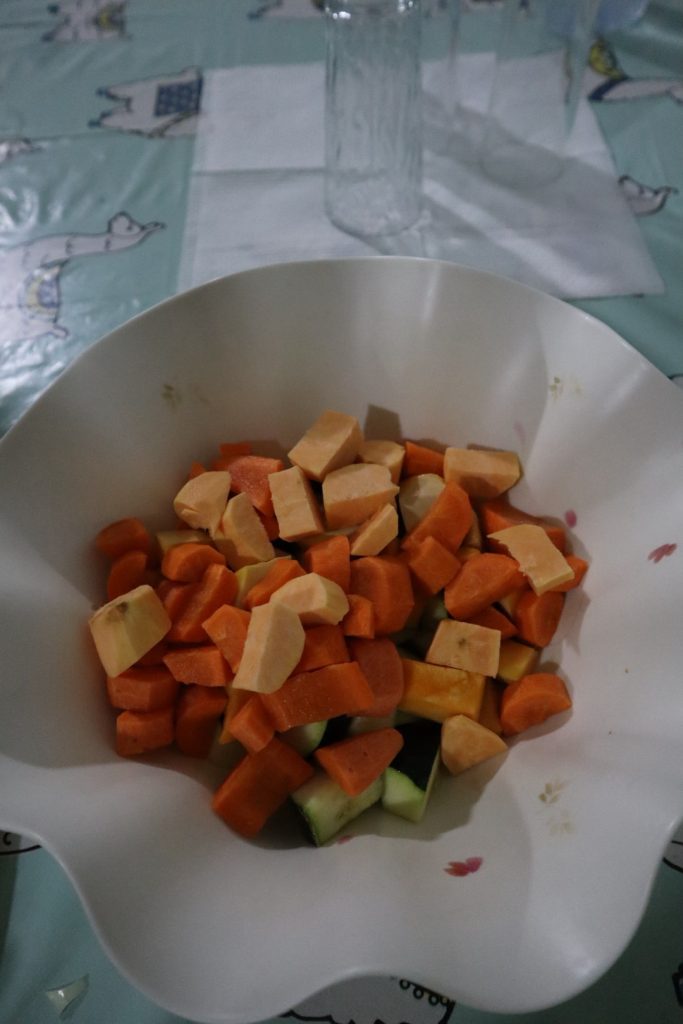
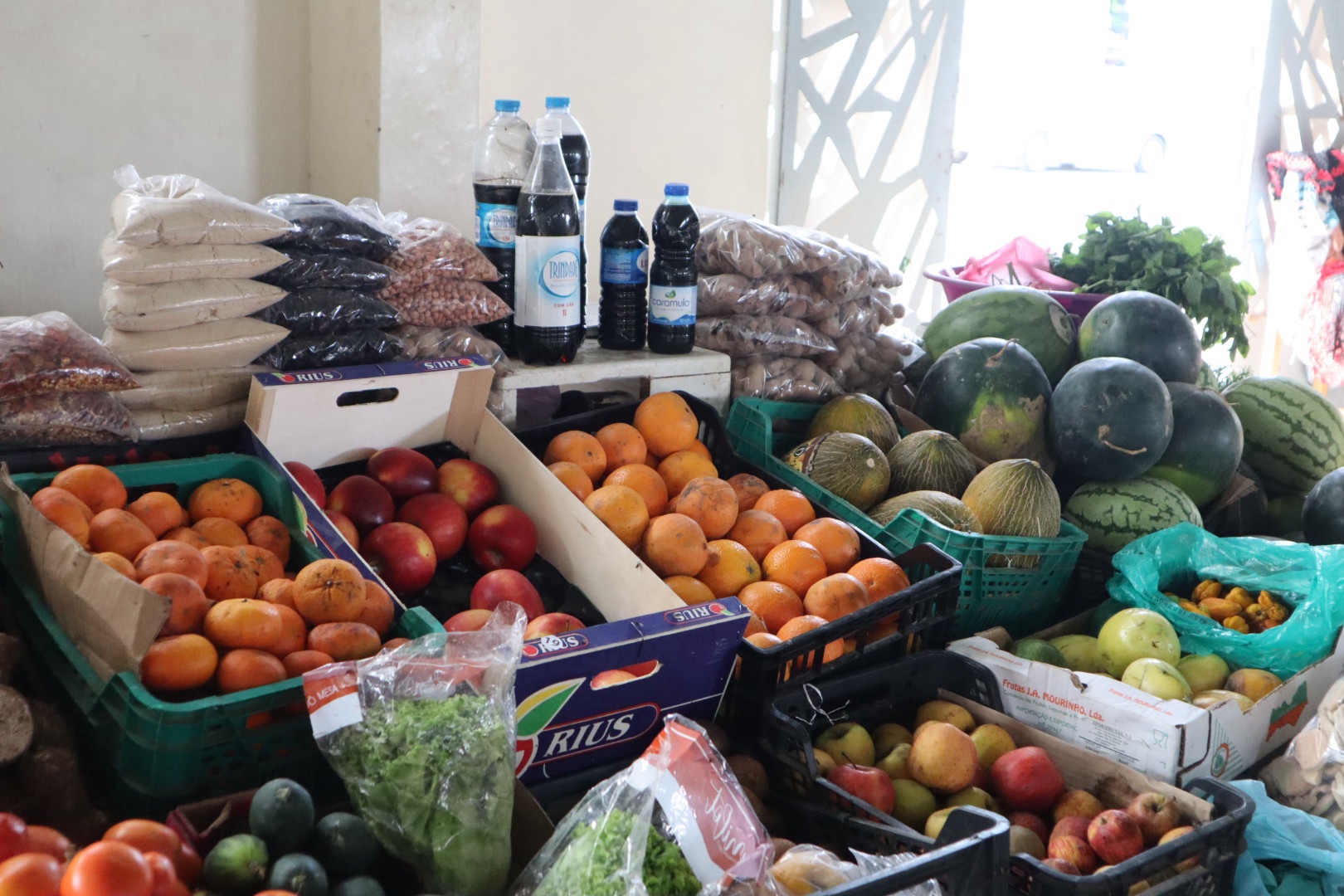
We first went to the local market to grab the ingredients like the vegetables we would cut for the class. The ingredients included cabbage, onions, tomatoes, carrots, sweet potatoes, and so much more.
The Cape Verde cooking class took place in a small open-air kitchen, just outside the main town on Sal Island. From the moment I arrived, the energy was warm and welcoming. Our host explained the ingredients we’d be using in Portuguese, and I had a translator translate to me in English.
We made traditional Cape Verdean dishes like:
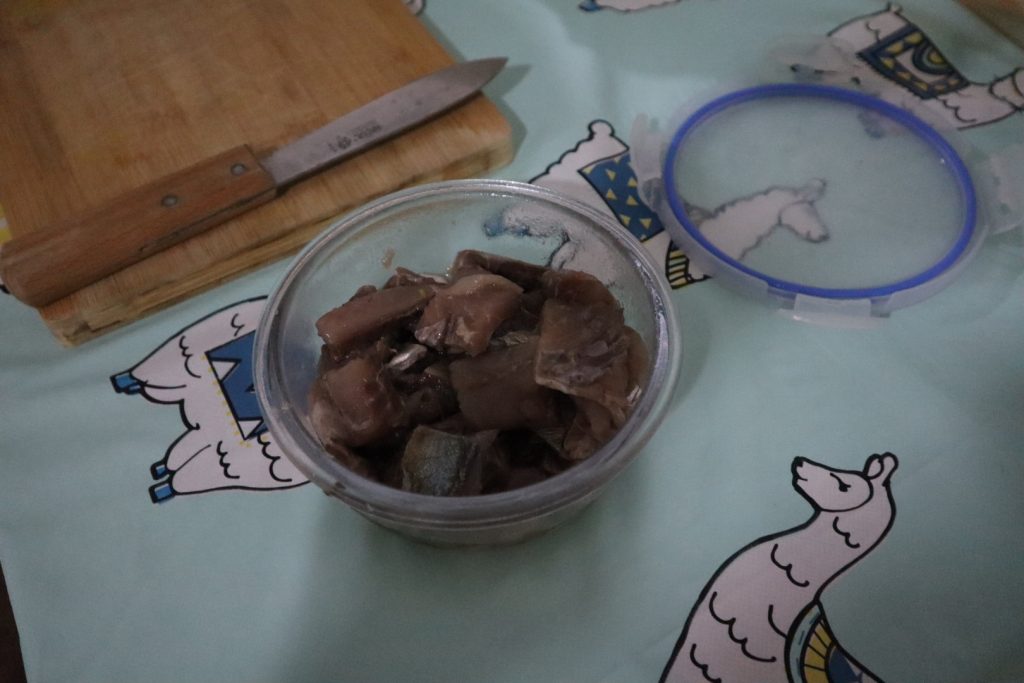
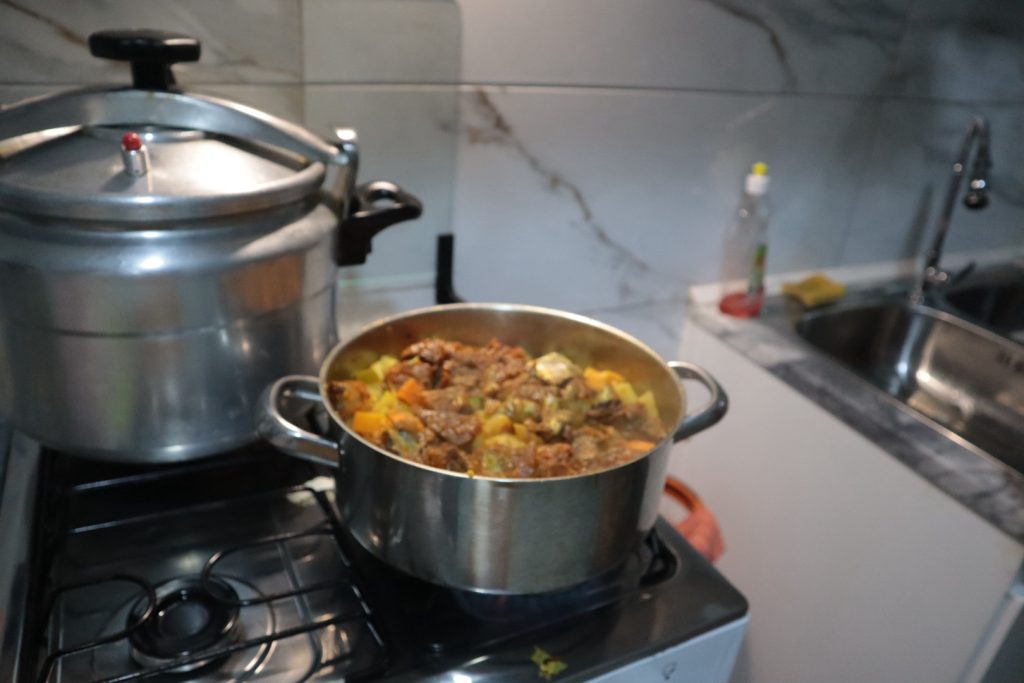
- Cachupa is a national dish, a hearty stew made with corn, beans, and meat or fish. I had mine with fish.
- Grilled fresh fish – caught that same morning
- Bissap – a hibiscus drink widely drunk in many Afro-Caribbean cultures
Everything was cooked over a firewood stove. I was chopping onions and peeling vegetables while hearing stories about how the dish connects to Cape Verdean identity and family tradition. I was told that the dish is typically made over the weekend and then eaten throughout the week.
Why This Experience Mattered
Now, although I didn’t particularly enjoy the dish, but for me, the cooking class was more than just tasting and cooking the dish. It was about being invited into someone’s space, their home and learning history through recipes, and slowing down to appreciate culture from the inside out. The dish came from the Portuguese colonial era and still remains an integral part of the Cape Verdean culture today.
There’s something so special about learning how to cook a dish that generations before you have made in the same land, with the same ingredients.
As someone who loves to cook, travel and culture, experiences like this remind me why I started Cooking Travel Talks in the first place #CTT. You can book the Cape Verde cooking class here.
Cape Verde Cuisine Views
If you’re heading to Cape Verde, I highly recommend booking a cooking class. It will honestly be a life-changing experience. You will be able to taste the most local dishes ever and learn more about Cape Verde as an country too.
For me the cooking class was fun, cultural, and meaningful experience that lets you taste the island in the most authentic way.
I’ll be sharing more cooking class adventures in my Cooking Travel Talks series around the world, so of course, stay tuned.
And if you love food and culture like me, grab my Taste the World e-Book. This is 59 pages of foodie tips, cultural gems, and travel inspo. 👉🏽 [Download now for £10.99]
Speak soon,
MBV

3 comments
Amazing post…Can’t stop reading your blog
Thank you! Any questions please do ask
Amazing post…Can’t stop reading your blog. Def plugged into Cabo Verde.